 8 min
8 minGrip Strength Predicts Mortality Better Than Blood Pressure. Here Is What That Actually Means.
A study of nearly 140,000 people found grip strength predicts mortality better than blood pressure. Here is why, and how to actually improve it.
Editorial Desk
Editorial Research · Sports & Movement Science
The GetClariSync Body Desk reviews research in exercise physiology, recovery science, and sports nutrition. We follow journals including Medicine & Science in Sports & Exercise, the Journal of Applied Physiology, the British Journal of Sports Medicine, and the European Journal of Applied Physiology. We separate findings from trained-athlete populations from those relevant to recreational readers, and we flag when transferring a protocol across populations is unsupported. We are editorial researchers, not certified trainers, physiotherapists, or sports physicians — please consult a qualified professional before starting new exercise programs, especially with existing injuries, pregnancy, cardiovascular conditions, or chronic disease.
Articles
All articles authored or reviewed by GetClariSync Body Desk.
8 minA study of nearly 140,000 people found grip strength predicts mortality better than blood pressure. Here is why, and how to actually improve it.
 8 min
8 minThe cold shock response peaks around 10 to 15°C. Colder water adds risk, not benefit. Here is the exact protocol backed by real research.
 9 min
9 minYour iron test can be "normal" while your ferritin is severely depleted. The number most doctors don't check explains fatigue, hair loss, restless legs, and brain fog. Here's the exact threshold.
 17 min
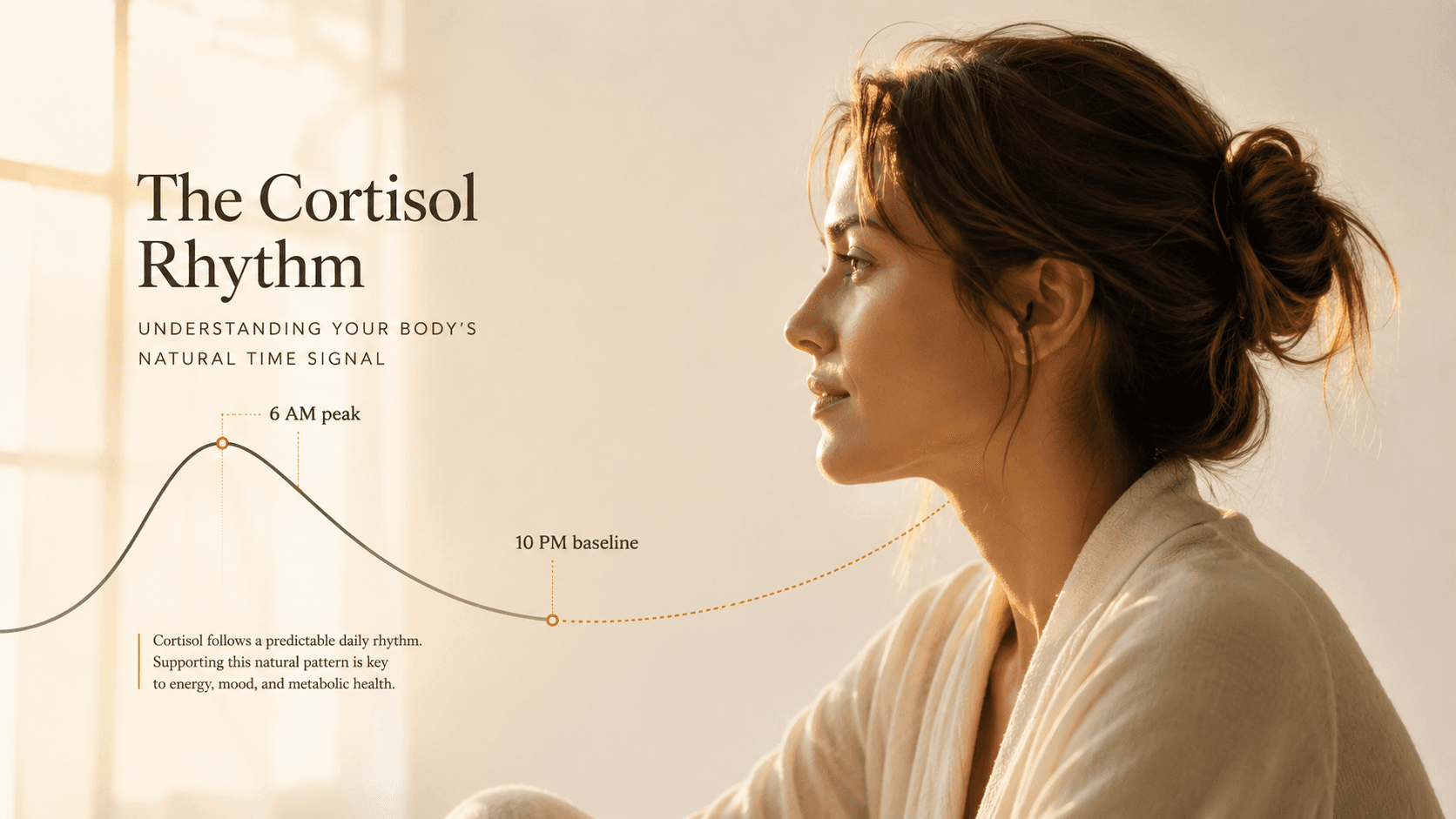
The complete cortisol guide. How chronic stress creates receptor resistance, and why that explains belly fat, brain fog, 3 AM waking, and hormonal collapse.
 13 min
Your brain clears metabolic waste during deep sleep through the glymphatic system. What five studies show about how it works and what gets left behind when sleep is disrupted.
 14 min
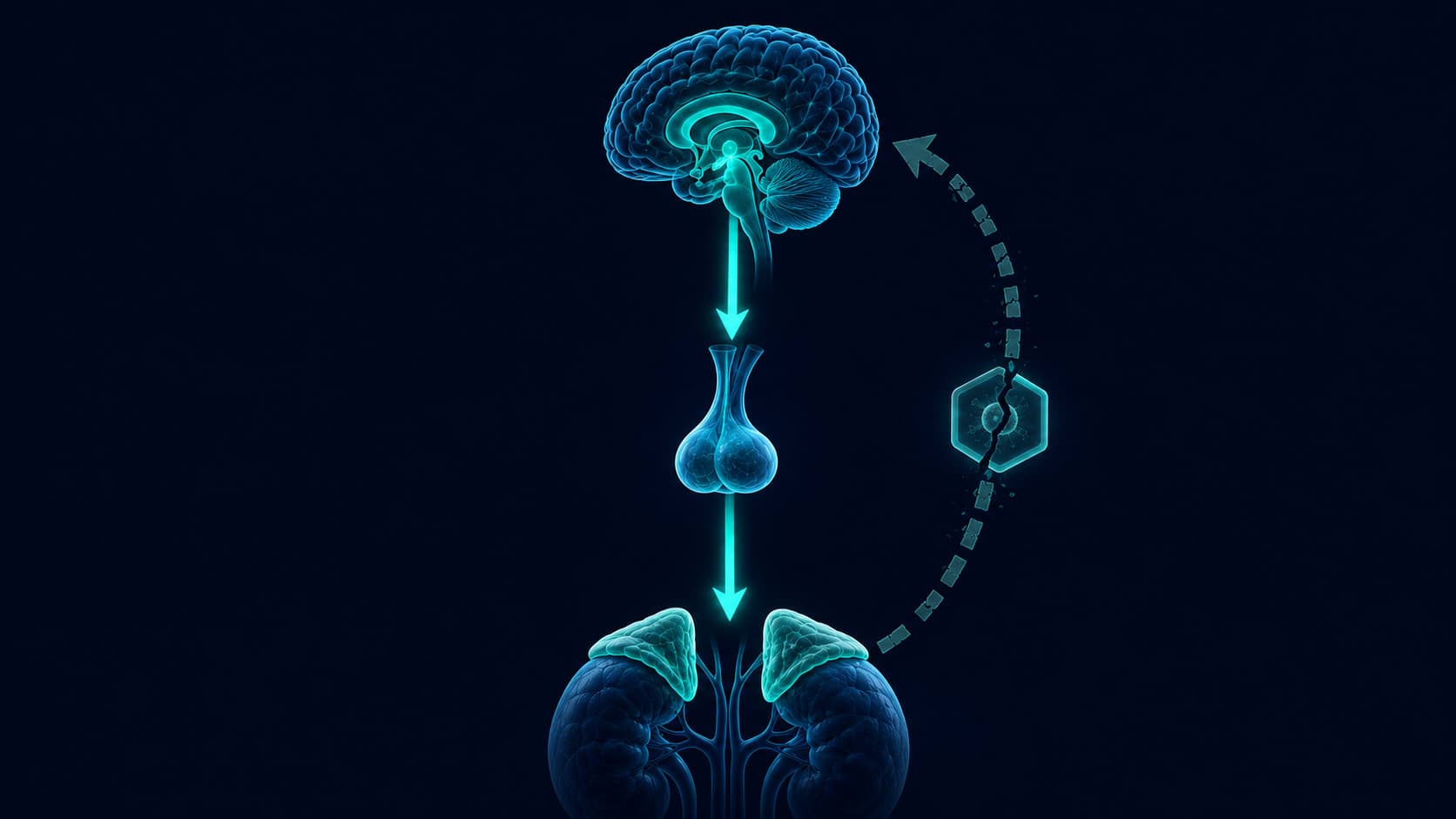
Chronic HPA dysregulation is not overproduction. It is impaired negative feedback. The six-layer evidence-based protocol for restoring the axis, sequenced by mechanism.
 13 min
Chronic stress physically restructures your social brain, making the people closest to you trigger more threat signal than strangers. The cortisol-social mechanism explained.
 14 min
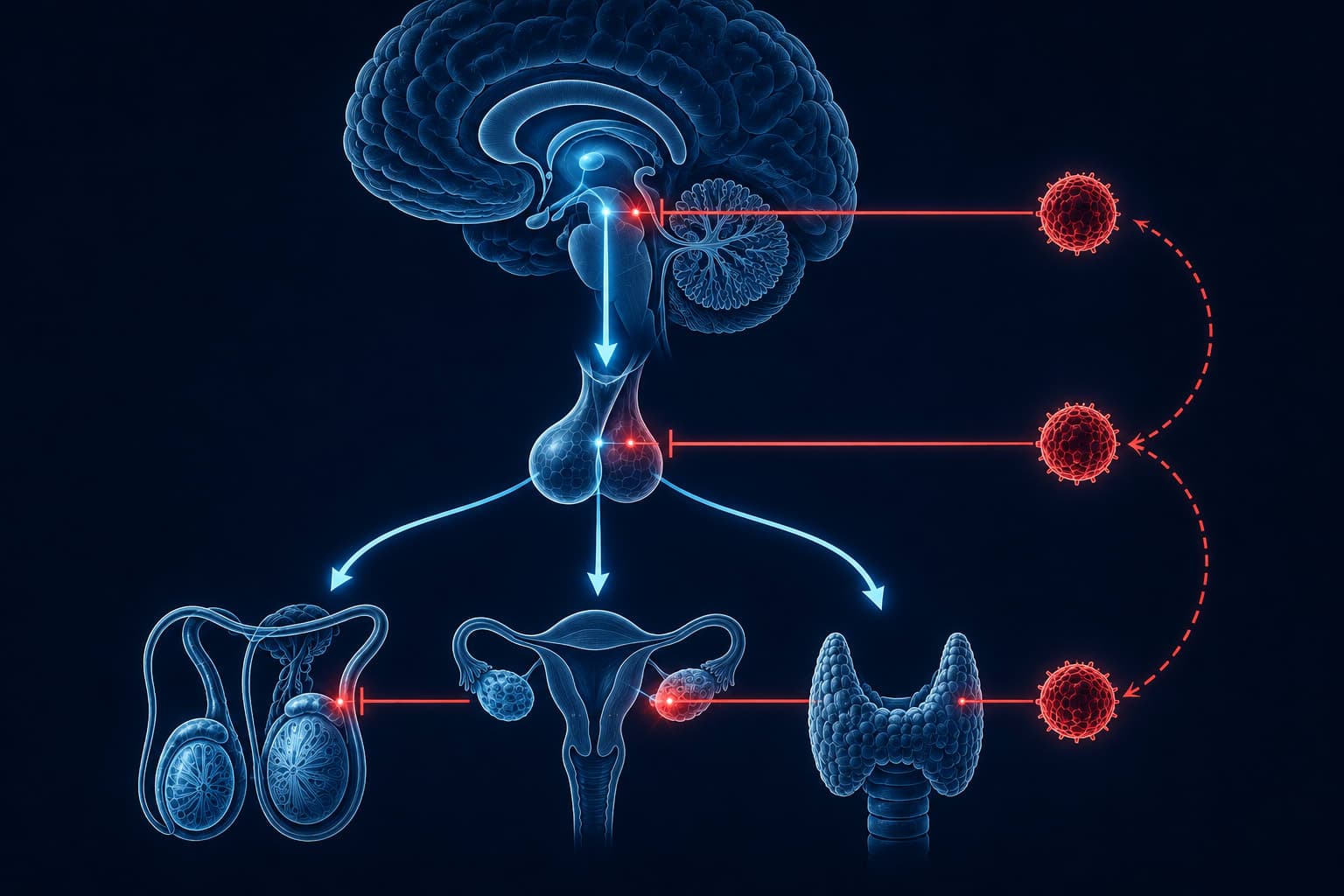
Chronic cortisol elevation doesn't just raise one hormone — it suppresses testosterone, disrupts menstrual cycles, and blocks thyroid conversion via reverse T3. Here's the full cascade and recovery timeline.
 13 min
Why does 3 AM waking persist even after stress is gone? Chronic cortisol creates a self-sustaining sleep loop — and this is the science of how to break it.
 13 min
Chronic cortisol physically reshapes your brain's memory and focus centers. The neuroscience of why you forget things, lose focus, and make decisions you regret — and what actually reverses it.
 14 min
Cortisol routes fat straight to your abdomen through three specific mechanisms. Why stress belly fat is different from regular weight gain and why dieting alone often fails.
 14 min
Cortisol isn't the enemy — it's essential. Learn what this stress hormone actually does, why the morning spike is healthy, what chronic elevation damages, and why adrenal fatigue isn't real.
 12 min
Cortisol suppresses your immune system during stress to keep you functional. When it drops, the rebound hits. That's why you always get sick the moment you finally relax.
 13 min
PCOS was officially renamed PMOS in The Lancet on May 12, 2026. Here's what the new name actually reveals about the hormonal mechanism that was misunderstood for 91 years.
 13 min
Muscle memory is real — but not for the reasons you think. The 2024 science of myonuclei and epigenetic DNA changes explains why your muscles never actually start over.