 10 min
Why Your Coffee Doesn't Work Like It Used To
The real reason caffeine's effect fades over time, why some people handle afternoon coffee fine and others can't, and how to reset it properly.
GetClariSync · From the Editor · August 2026
Sleep Optimization
A science-backed jet lag recovery guide explaining why eastbound flights hit harder than westbound ones, with a protocol for both directions.
What We Cover
Each topic is grounded in research, written clearly, and designed to be actionable.
A Note from the Editor
Every piece on GetClariSync starts with a question I had — usually one where the popular answer didn't match the underlying evidence. We trace claims back to primary sources, weight replicated findings above single studies, and update articles when better evidence emerges.
If we change a substantive claim, we say so.
— Hicham Fouzy, Editor
10 minThe real reason caffeine's effect fades over time, why some people handle afternoon coffee fine and others can't, and how to reset it properly.
 10 min
The science of why stress-triggered breakouts cluster along the jaw and chin instead of the forehead, and the routine that actually clears them.
 8 min
8 minA study of nearly 140,000 people found grip strength predicts mortality better than blood pressure. Here is why, and how to actually improve it.
 9 min
9 minStaying up too late isn't a time management problem. Research says it's about self-regulation and autonomy. Here is what actually helps.
 10 min
A reflex wired into your brainstem, not your willpower, can drop your heart rate 30 beats in seconds. Here is the exact protocol and why it works.
 9 min
9 minA double inhale and a long exhale outperformed meditation and box breathing in a Stanford trial. Here is the exact technique and why it works.
 8 min
8 minThe theory that willpower runs out like a battery failed its biggest test yet. Here is what actually predicts self-control, and the reframe that helps.
 7 min
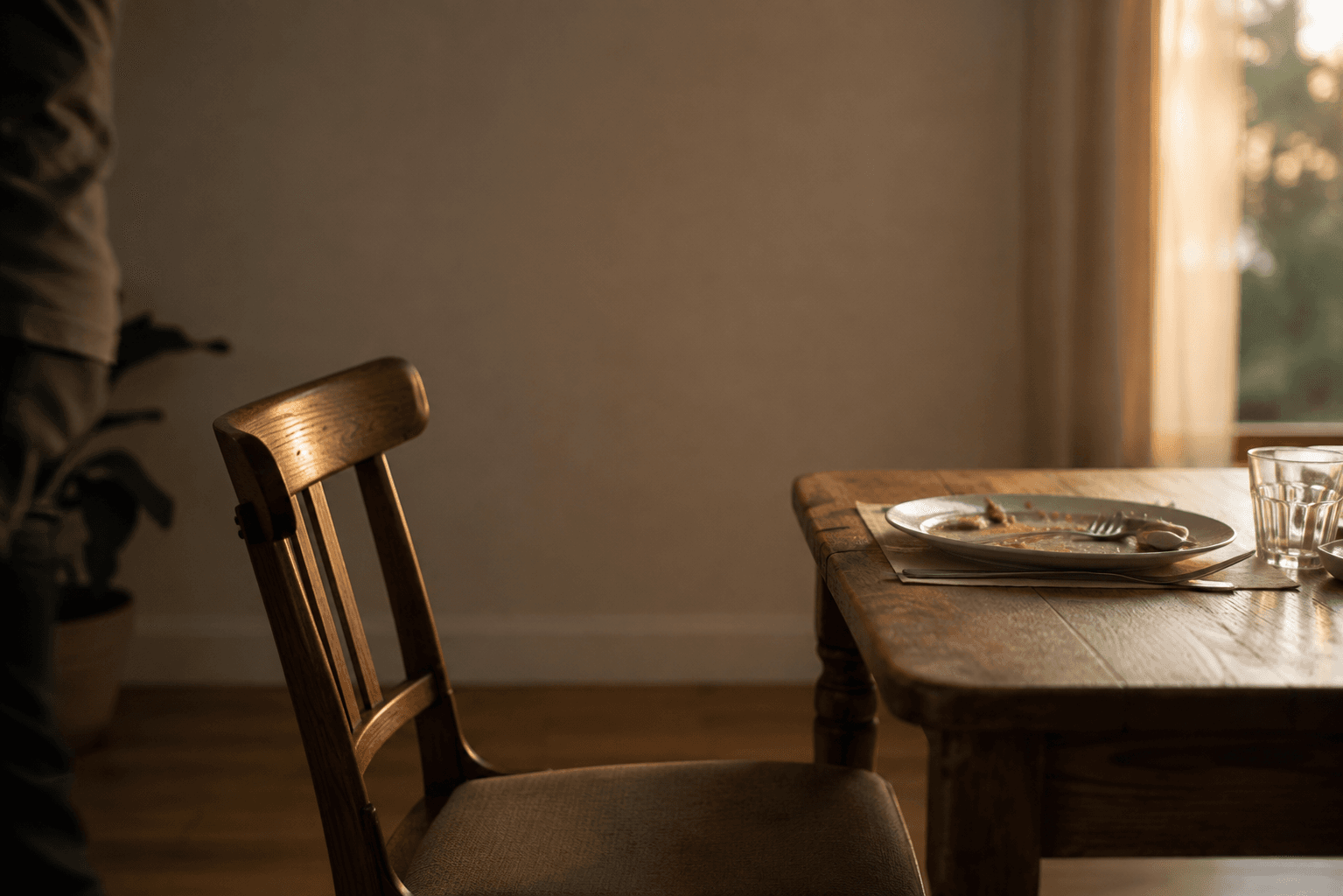
7 minStanding barely helps. Walking 2 to 5 minutes right after eating works twice as well. Here is the research on timing versus duration.
 8 min
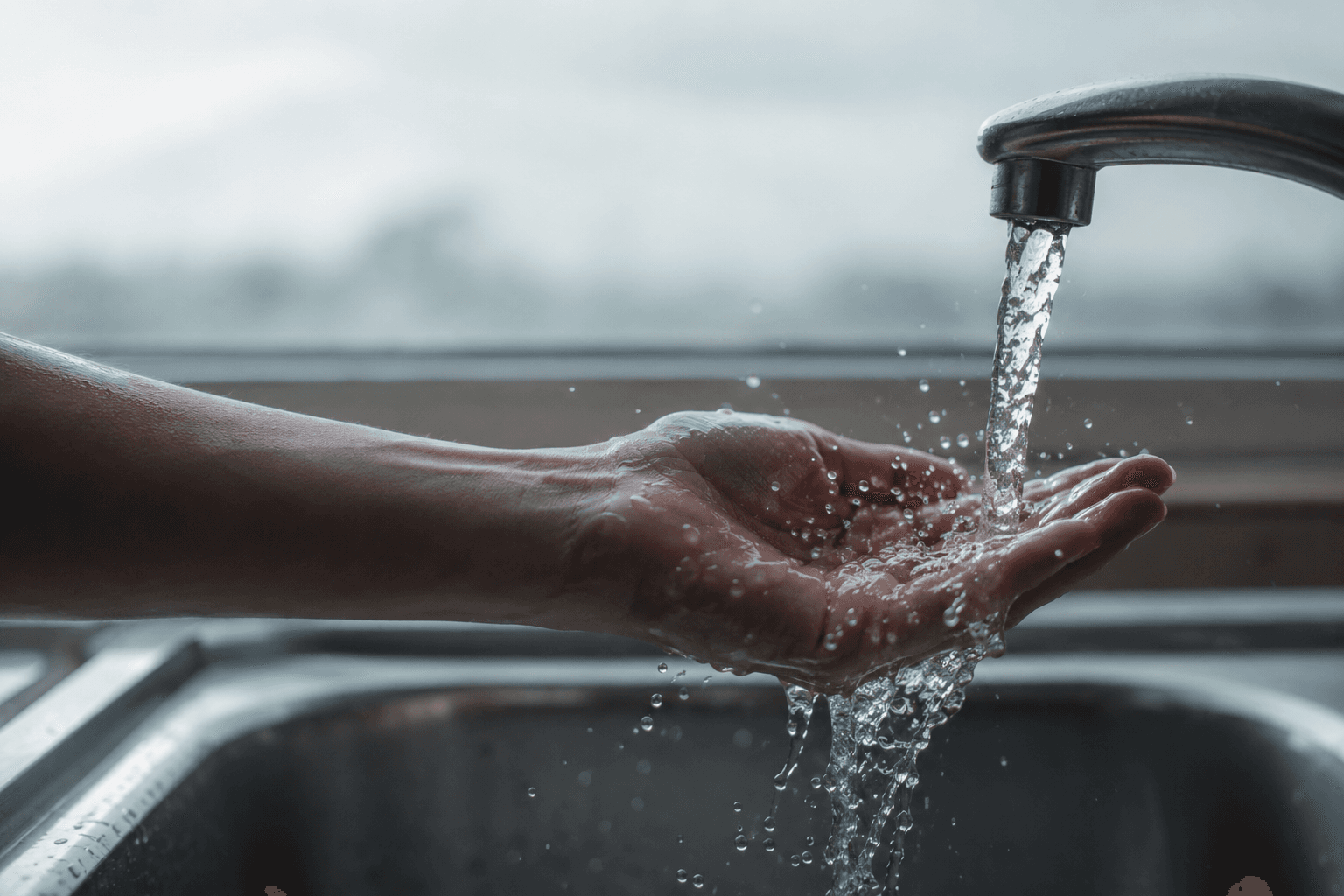
8 minThe cold shock response peaks around 10 to 15°C. Colder water adds risk, not benefit. Here is the exact protocol backed by real research.