People pay for bags of ice, shiver through water cold enough to hurt, and get exactly the same physiological result as someone using a cold tap. The research has known this for over two decades.
Research on cold water immersion shows the body's beneficial response, the cold shock reaction that drives adaptation, peaks in a window around 10 to 15°C and does not meaningfully increase in colder water. A separate study found that just 11 total minutes of cold exposure per week, spread across 2 to 3 sessions, was enough to activate metabolically active brown fat in healthy adults. Going colder than roughly 10°C adds physical risk, a stronger gasp reflex, faster heart rate spikes, a higher chance of hyperventilation, without adding extra benefit. Tap-cold water and a kitchen timer cover almost everyone's actual needs.
Somewhere in the last two years, cold plunging turned into an arms race. Steel tubs. Bags of ice bought by the dozen. Temperatures reported like personal records, colder worn as a badge of seriousness. Buried underneath all of it is a physiology finding that has existed since the late 1990s, and it says something almost nobody wants to hear: past a certain point, colder does nothing extra.
Not a suggestion to go easier for comfort's sake. A specific, measured threshold, the temperature where the body's response maxes out, mapped by researchers who spent careers studying exactly what happens in the first sixty seconds of cold water.
What Your Body Actually Does in the First Minute
- 1Gasp reflex An involuntary, sharp inhale within the first few seconds of skin contact with cold water. This is the single most dangerous moment in the entire sequence if the face happens to be underwater when it hits.
- 2Hyperventilation Breathing rate can spike several times above normal for the first 30 to 60 seconds, driven by cold receptors in the skin, not by any actual lack of oxygen.
- 3Cardiovascular surge Heart rate and blood pressure rise sharply as blood vessels near the skin constrict, redirecting blood toward the body's core.
- 4Habituation With repeated exposure over several weeks, this same sequence becomes measurably calmer. That calming is the actual adaptation being trained, not tolerance of pain.
The intensity of that sequence is what most people assume scales endlessly with temperature. Colder water, bigger gasp, bigger adrenaline hit, bigger reward. Researchers who actually measured it, temperature by temperature, found something different.
The Temperature Where the Response Stops Climbing
Physiologist Mike Tipton has spent decades measuring exactly this, immersing volunteers in water at carefully controlled temperatures and recording heart rate, breathing rate, and skin receptor activity at each one.
“The initial responses to cold water immersion, including the respiratory drive and cardiovascular strain that define the cold shock response, peak within a water temperature range of roughly 10 to 15 degrees Celsius, without a proportional increase in colder water.”
Think of it like a smoke alarm. Past a certain concentration of smoke, the alarm is already screaming as loud as it physically can. Filling the room with more smoke does not make it louder. The body's cold response behaves the same way. Once skin temperature drops enough to fully trigger the receptors responsible for the reaction, more cold does not turn the dial up further. It just adds discomfort with nothing extra behind it.
Why Colder Isn't Just Wasted. It's Riskier.
The same body of research that mapped the threshold also documented what happens on the other side of it, in water cold enough to be genuinely dangerous rather than merely uncomfortable.
“Cold shock is implicated in the majority of open-water immersion deaths, primarily through inhalation of water during the involuntary gasp response or through cardiac events triggered by sudden cardiovascular strain, risks that do not diminish once the adaptive response has already been triggered at a milder temperature.”
The Protocol: How Much Actually Matters
If temperature stops mattering past a certain point, the more useful question becomes how much total time actually produces a measurable effect. Danish researchers tracked winter swimmers to find out.
“A total of 11 minutes of cold water immersion per week, distributed across 2 to 3 sessions, was associated with increased brown adipose tissue activity and enhanced cold-induced thermogenesis in healthy participants.”
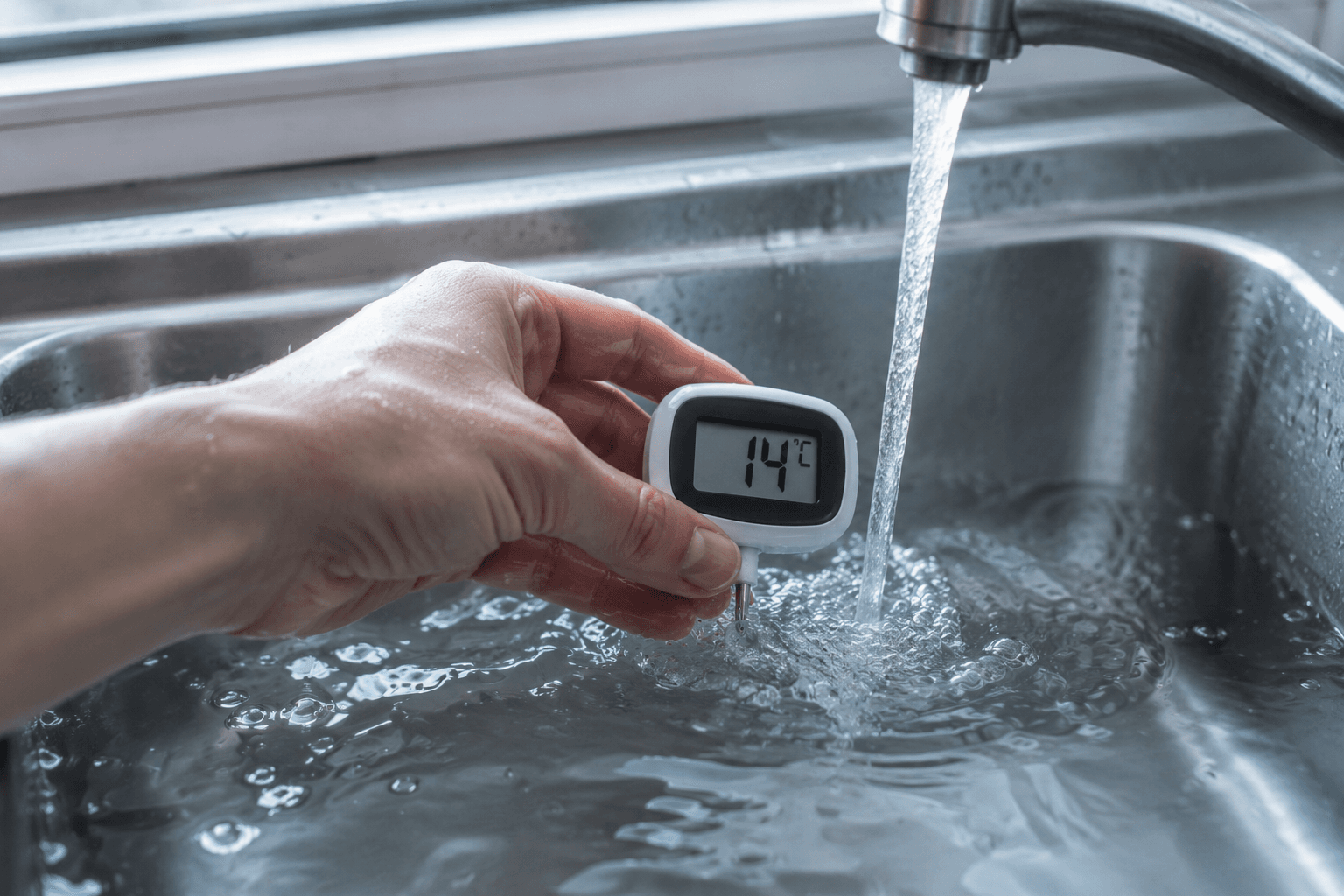
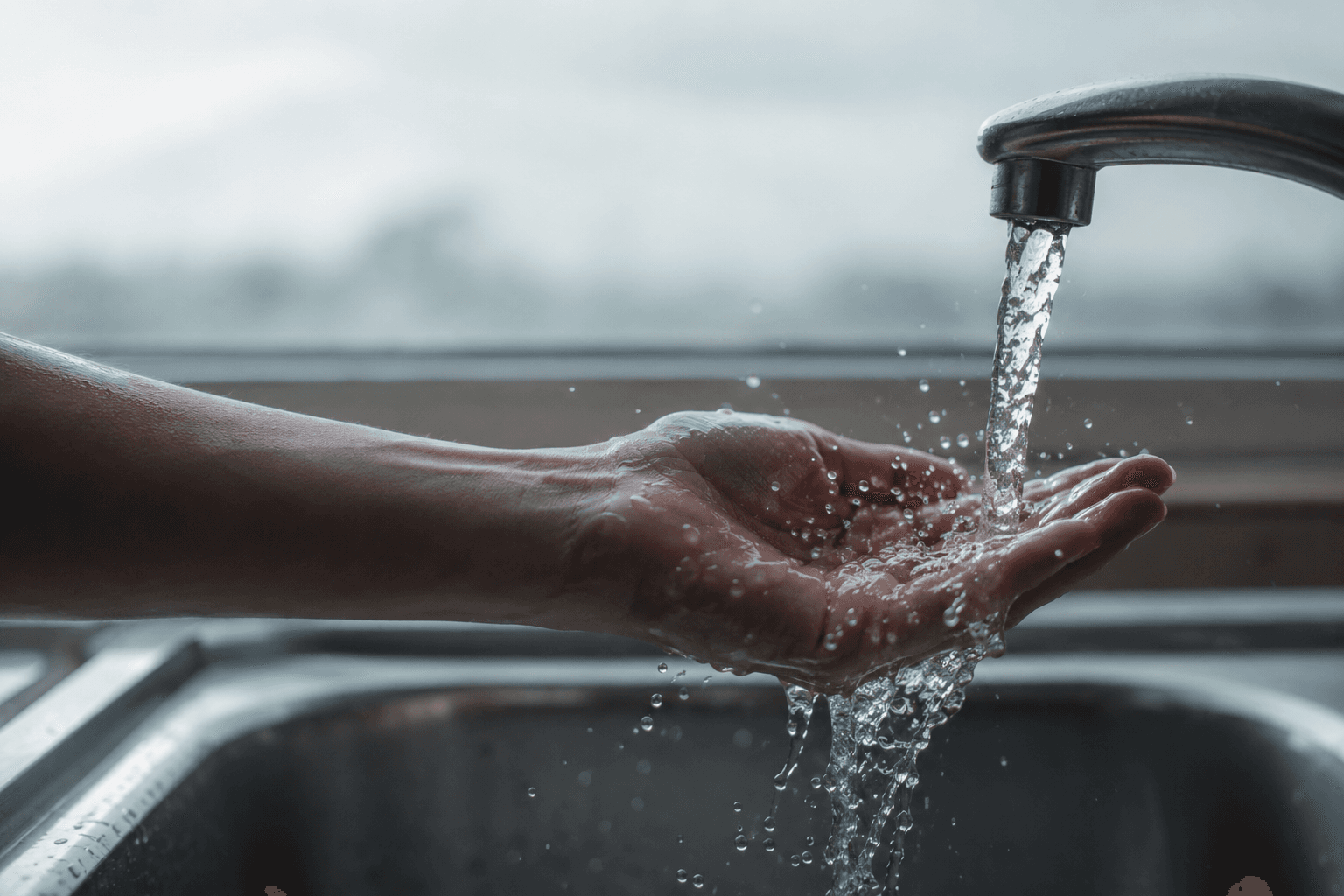
Check the tap, not the freezer
A five-dollar kitchen thermometer, checked once, tells you whether your cold tap already falls inside 10 to 15°C. In most climates, for most of the year, it does. No ice, no chiller, no steel tub required to hit the range that matters.
High impactTotal weekly minutes beat single-session extremity
Aim for roughly 11 minutes total per week, split across 2 to 3 short sessions rather than one long, brutal one. Consistency across the week is what the research actually measured, not how many minutes any single session reaches.
High impactFace out, breath controlled
Keep your head above water and exhale slowly and deliberately through the first 30 seconds instead of gasping. Controlling that breath is the actual skill being trained. Tolerating pain is not the point, and never was.
High impactWho Should Skip This Entirely
The same cardiovascular surge that makes cold exposure interesting is exactly why it isn't a universal recommendation. A few conditions turn a manageable stress response into a genuine hazard.
None of this makes cold plunging pointless, or something to fear. It makes it precise. The response that matters most triggers well before the water feels unbearable, and the total minutes across a week count for more than how many degrees below freezing any single session reaches.
Colder doesn't buy more benefit. It just spends more risk.
Science-Backed Wellness, Weekly
Research summaries on body science, stress physiology, and recovery: the mechanisms most wellness content skips over.
Get the weekly dispatchGetClariSync Body Desk
Editorial Research · Sports & Movement Science
The GetClariSync Body Desk reviews research in exercise physiology, recovery science, and sports nutrition. We follow journals including Medicine & Science in Sports & Exercise, the Journal of Applied Physiology, the British Journal of Sports Medicine, and the European Journal of Applied Physiology. We separate findings from trained-athlete populations from those relevant to recreational readers, and we flag when transferring a protocol across populations is unsupported. We are editorial researchers, not certified trainers, physiotherapists, or sports physicians — please consult a qualified professional before starting new exercise programs, especially with existing injuries, pregnancy, cardiovascular conditions, or chronic disease.