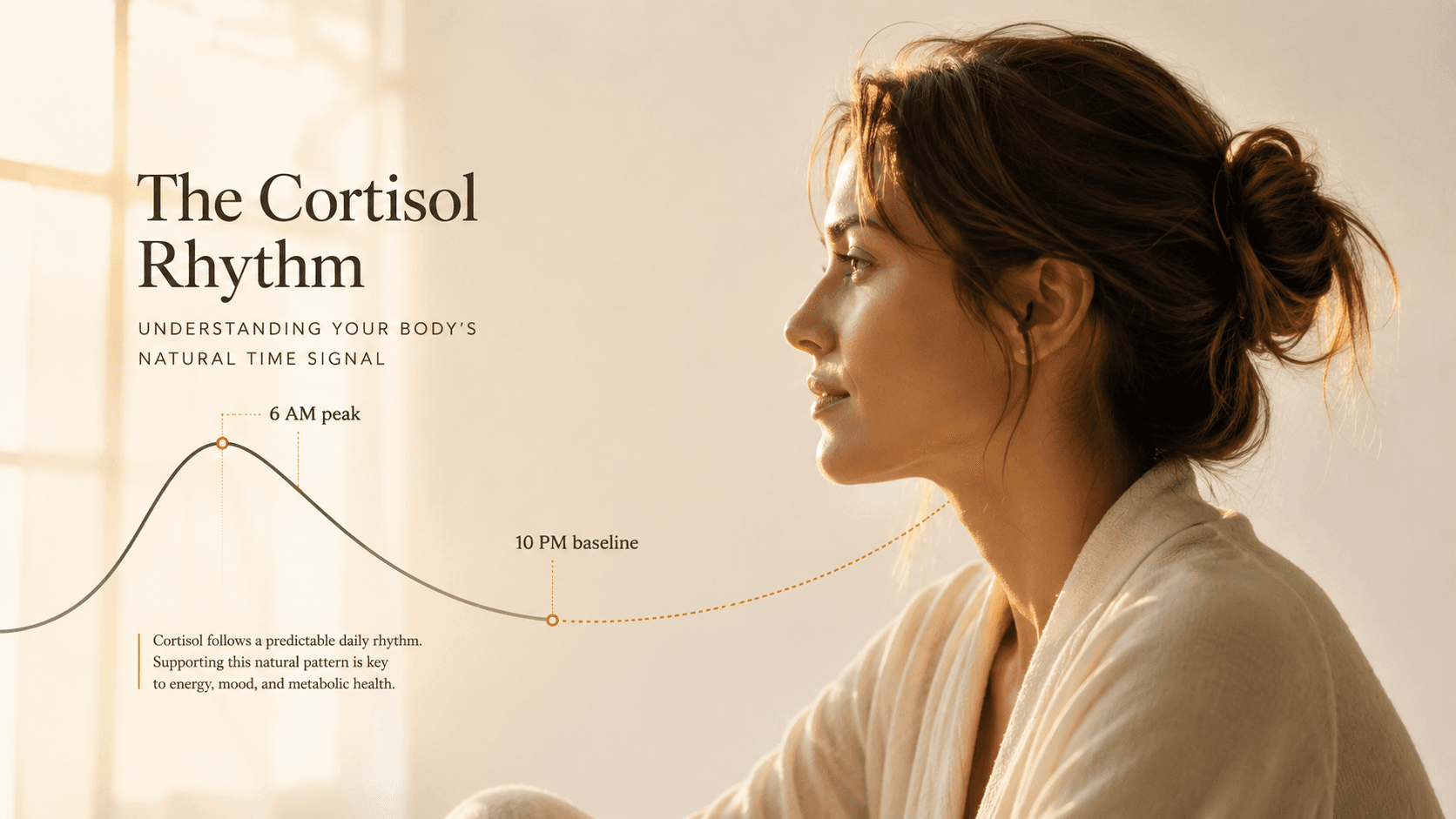
You are patient with your coworkers. You hold it together in meetings. Then you get home, your partner says something ordinary, and you snap. The shame that follows is real. So is the explanation nobody gives you.
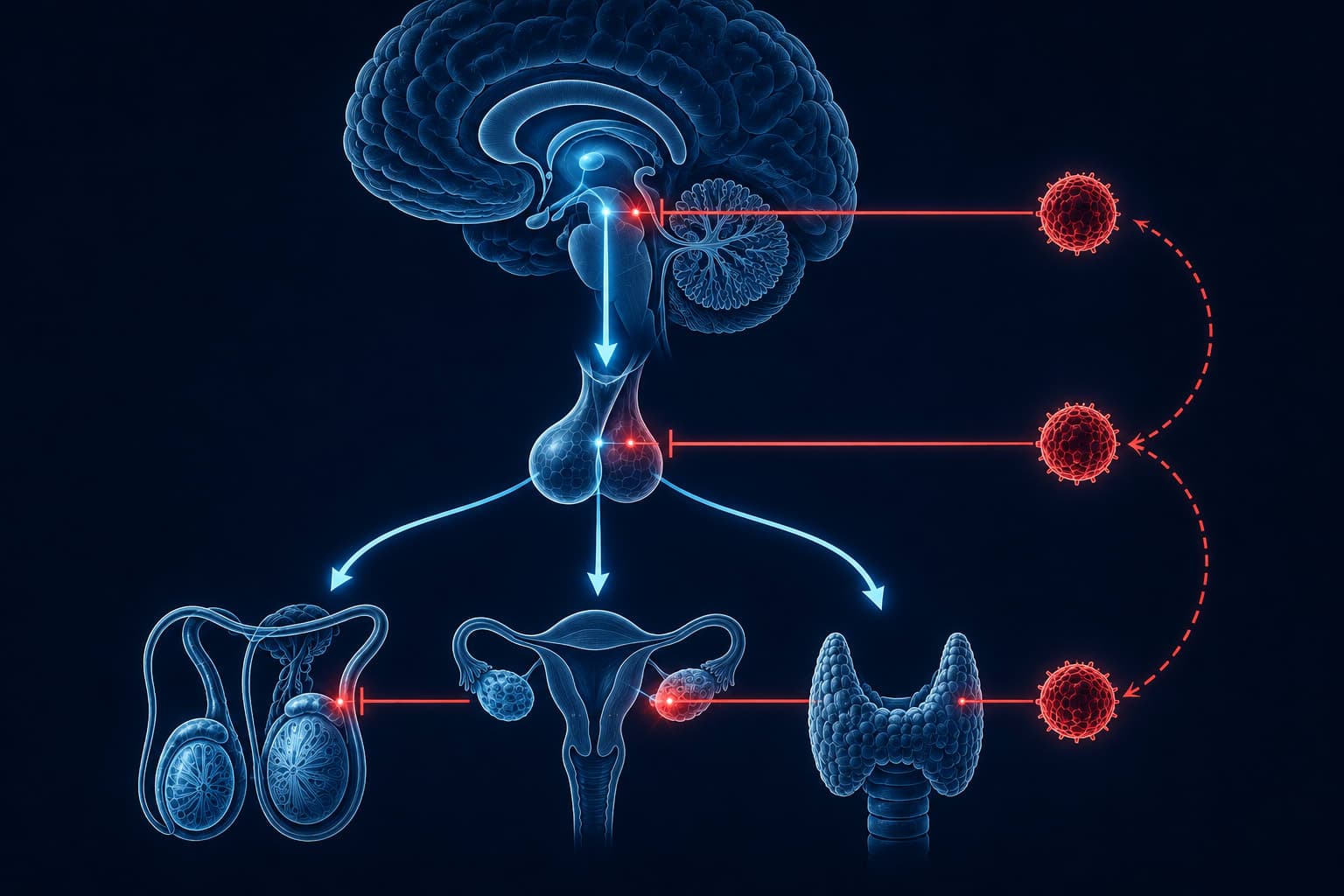
Chronic stress does not simply make you tired or moody. It physically restructures the brain's social threat-detection system. Under sustained cortisol elevation, neutral facial expressions read as hostile, intimacy triggers the same neural alarm as danger, and the people closest to you receive the highest threat signal. This is not a character flaw or a relationship problem. It is a documented series of neurobiological mechanisms — and understanding them changes how recovery looks.
There is a specific kind of guilt that belongs to chronically stressed people. Not guilt about the deadline they missed or the project they failed — guilt about the person at home who asked a simple question and got a response that seemed to belong to someone else. Stress research has spent decades cataloguing what cortisol does to the body: to fat distribution, to memory consolidation, to sleep architecture, to the endocrine system. What it does to the social brain has received far less attention. That gap matters, because the mechanism turns out to be structural, not emotional.
The Brain Does Not Just Feel Worse. It Gets Rebuilt.
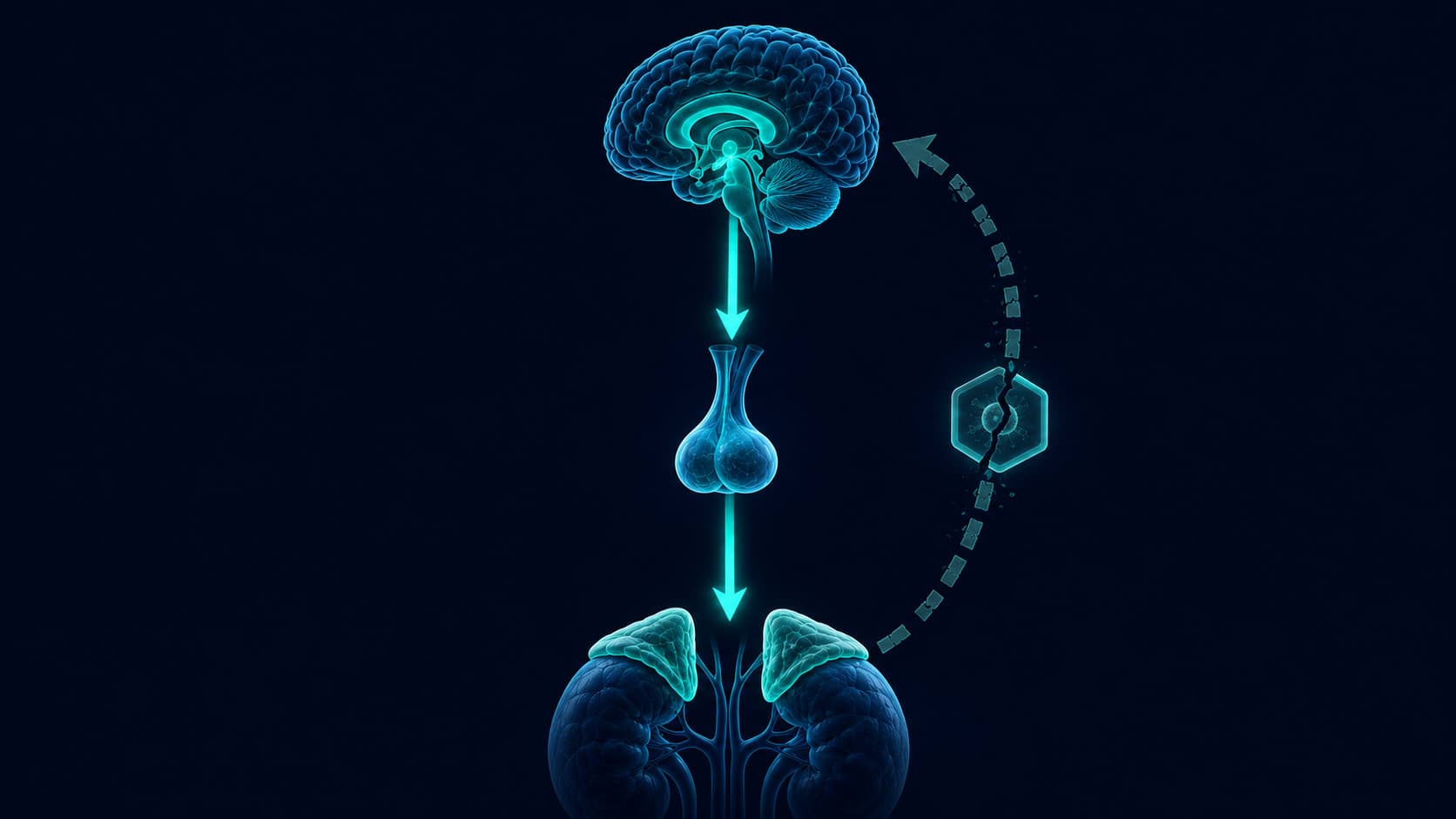
In 2014, researchers from Carmen Sandi's lab at EPFL published a finding that reframed the neuroscience of social withdrawal. Under chronic stress, the brain releases excess glutamate, activating NMDA receptors in the hippocampus. These receptors trigger an enzyme called MMP-9 — matrix metalloproteinase 9. MMP-9 functions as molecular scissors, cutting a synaptic adhesion protein called nectin-3 in the hippocampal CA1 region.
Nectin-3 is not peripheral. It holds together the synaptic architecture responsible for social recognition and social memory. When MMP-9 degrades it, the physical infrastructure for social connection deteriorates. Animals in the study showed decreased sociability, avoidant behavior, and impaired social memory. When researchers blocked MMP-9 pharmacologically or restored nectin-3 directly, the social behavior reversed. The antisocial response had been structurally induced. Removing the structural change removed the behavior.
“Stress-induced MMP-9 activation leads to nectin-3 shedding in area CA1 of the hippocampus, resulting in decreased sociability and impaired social memory — effects reversible by pharmacological MMP-9 blockade.”
Blocking MMP-9 or restoring nectin-3 in stressed animals completely reversed antisocial behavior. The behavior was not a consequence of mood or energy. It was a consequence of physical synaptic degradation. Recovery requires structural restoration — not willpower, not communication exercises, not "just reaching out."
This distinction matters more than it might appear. If social withdrawal under stress were simply low energy or low mood, rest should reliably reverse it. If it is structural, recovery follows a different timeline and a different path. The research points firmly toward the second explanation.
Why Neutral Faces Start Reading as Hostile
The amygdala contains the highest density of glucocorticoid receptors of any region in the social brain. When cortisol rises, amygdala reactivity increases and its threshold for classifying stimuli as threatening drops. Simultaneously, cortisol reduces prefrontal regulatory activity — the system that normally applies context to ambiguous signals and moderates amygdala output. The moderating voice gets quieter. The alarm gets louder.
In a 2017 study, Brown and Raio exposed participants to cortisol-elevating tasks, then showed them photographs of faces with ambiguous expressions: neither clearly positive nor clearly negative. High cortisol responders were faster and more consistent in categorizing these faces as negative or threatening. The brain had not become irrational. It had recalibrated. Under cortisol load, ambiguous social signals default toward threat interpretation. A flat tone of voice becomes coldness. A pause before replying becomes contempt. A neutral expression reads as hostility.
“Elevated cortisol was associated with enhanced negative valence classification of ambiguous facial stimuli, with high-responders showing faster categorization of surprised and neutral faces as negative.”
The person asking "are you okay?" is not interrogating you. Your cortisol-loaded amygdala is reading their face wrong. This is not a perception error — it is a calibration shift the brain makes deliberately under sustained threat conditions.
Why You Hold It Together at Work and Fall Apart at Home
Almost everyone who has experienced chronic stress recognizes this pattern without being able to explain it. Colleagues receive patience. Strangers receive courtesy. The partner who asks a simple question receives something that does not belong to them. This is not inconsistency or hypocrisy. It is a predictable output of a stress-sensitized amygdala applied to two different social contexts.
A coworker presents no existential exposure. The interaction has defined limits, social scripts, and low emotional stakes. Intimacy operates by entirely different parameters. It involves maximum physical proximity, emotional legibility, and vulnerability. A stress-sensitized amygdala reads these conditions as high-exposure situations. The closer someone is allowed to get — physically and emotionally — the more threat signal their presence generates in a dysregulated brain. This is why a partner asking a routine question can land harder than an aggressive driver. The driver is outside the threat-radius. The partner is at its center.

One System Seeks Closeness. The Other Builds Walls.
In 2000, Shelley Taylor and colleagues proposed a refinement to the standard fight-or-flight model. Under stress, female biology produces a distinctly different primary response: tend-and-befriend. The mechanism involves oxytocin release amplified by estrogen, orienting behavior toward nurturing and social affiliation. Stress triggers approach, not withdrawal.
Male stress response runs on a different neurochemical architecture. Vasopressin and testosterone amplify fight-or-flight outputs. Withdrawal or aggression become the defaults. Under equal cortisol load, one partner moves toward closeness while the other moves away from it. Neither is failing the relationship. They are running on their biology's stress default — and those defaults were never designed to coexist in the same household.
Tend-and-Befriend Response
- Oxytocin release amplified by estrogen
- Orients behavior toward nurturing and social affiliation
- Seeks closeness and social support under stress
- Stress triggers approach to trusted people
- More common in female stress physiology
Fight-or-Flight Response
- Vasopressin and testosterone amplify cortisol output
- Orients toward withdrawal or aggression
- Reduces tolerance for social proximity and input
- Stress triggers need for distance and reduced stimulation
- More prevalent in male stress physiology
“The tend-and-befriend pattern is especially characteristic of female stress responses and is mediated by neuroendocrine systems — particularly oxytocinergic activity — that differ substantially from the fight-or-flight profile predominant in males.”
The collision is predictable and largely invisible to both people experiencing it. One partner is distressed and seeks connection. The other is distressed and cannot tolerate proximity. Both are responding to stress with their biology's default setting. Neither is failing the relationship. They are, in the most literal sense, speaking different neurochemical languages — and no amount of "just communicate" bridges that gap while both stress systems are running.
“Oxytocin alone and in combination with social support produced the lowest cortisol levels and the highest calmness ratings during stress — suggesting that the tend-and-befriend response actively downregulates HPA axis output.”
Your Stress Is Transmitting to Your Partner's Endocrine System
There is a belief common among stressed people that withdrawal protects their partner. If they disengage — go quiet, spend less time together, become emotionally unavailable — at least they will not expose their partner to their bad mood. The research does not support this belief.
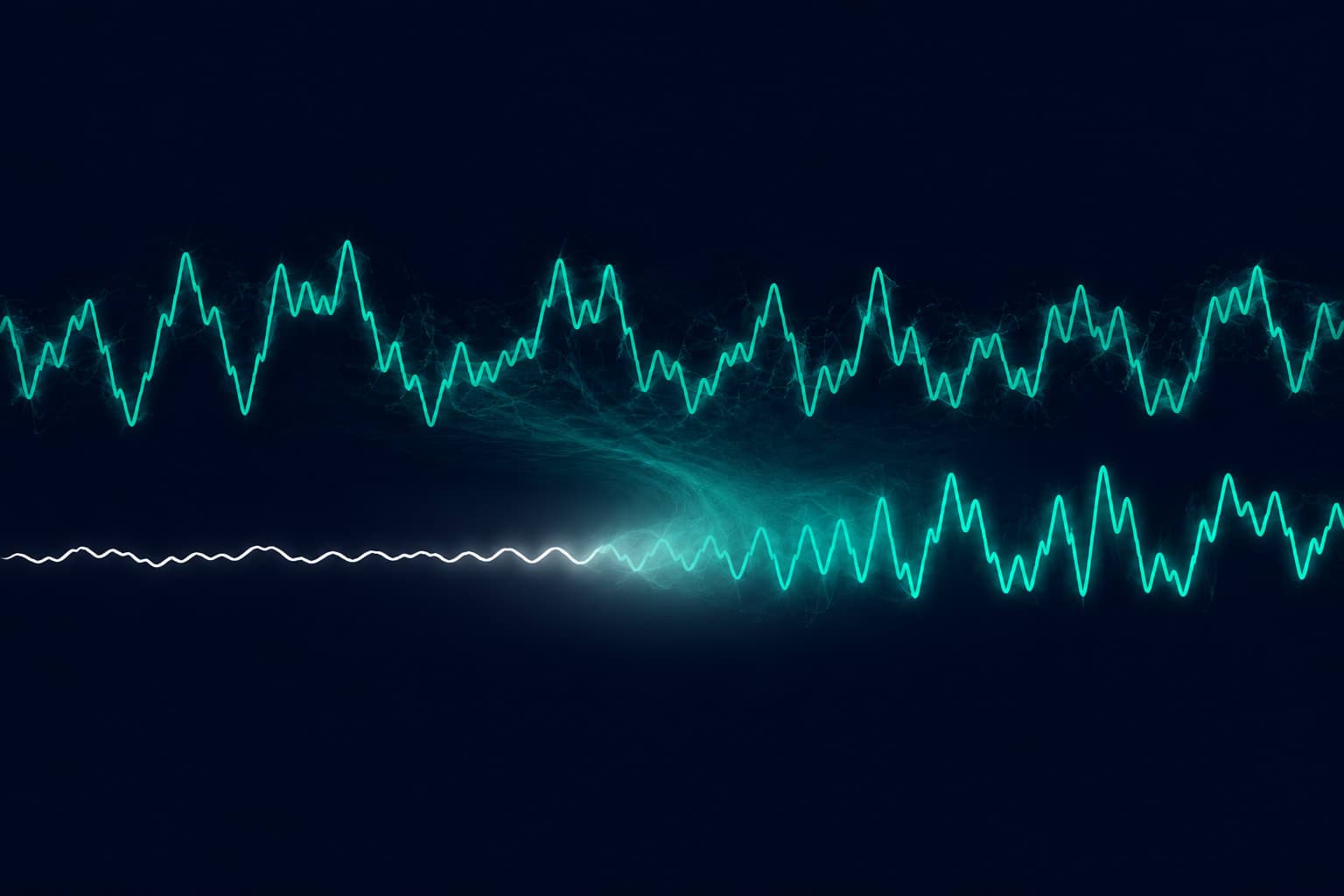
Couples develop synchronized diurnal cortisol patterns. This is not a metaphor or an emotional observation. It is measured in saliva samples across daily life. The synchrony operates through physiological proximity, micro-expression reading, vocal tone, and shared environmental stressors. In a 2014 study by Engert and colleagues, couples showed statistically significant alignment in their cortisol rhythms across the day. Partners reporting higher relationship strain showed stronger positive cortisol coupling — not the calming kind, but co-dysregulation: one partner's stress axis pulling the other's into the same elevated pattern.
Withdrawal does not protect your partner from your stress. It changes the delivery mechanism. Cortisol transmits through proximity, micro-expression, and vocal tone — not only through what you say.
“Couples showed significant cortisol synchrony across the day. Relationship strain was associated with stronger positive cortisol coupling, reflecting co-dysregulation rather than co-regulation.”
Does This Mean Something Is Wrong With the Relationship?
This is the question that runs underneath most of what stressed people actually search for. Not "why am I doing this" but "does this mean I don't love them?" The biology answers clearly. The tendency to snap at, withdraw from, and misread the people closest to you under chronic stress is not a signal of relational failure. It is a signal that the stress response has been running too long at too high a baseline.
Persistent conflict, emotional withdrawal, or the sense that a partner has become a different person during a sustained stress period can reflect neurobiological changes rather than relational deterioration — but the two sometimes co-occur. A qualified psychologist or licensed therapist can help distinguish between stress-induced behavioral changes and underlying relational dynamics that warrant direct attention. If symptoms are severe or persistent, consult a qualified clinician.
What the research suggests is this: the question "is something wrong with us?" is often asked at precisely the moment when cortisol load is highest and social threat-detection is most miscalibrated. The brain most prone to reading neutral signals as hostile is the same brain evaluating the health of the relationship. It is not a reliable instrument in that state.
What Reverses It — and How Long
The structural nature of these changes has a structural implication for recovery. Reducing cortisol is necessary but not sufficient on its own. Nectin-3 synaptic restoration, oxytocin receptor upregulation, and amygdala threat-sensitivity recalibration each follow their own timeline — and none respond to the equivalent of "just relax." The general research trajectory suggests most acute stress-induced social changes begin reversing within weeks of sustained cortisol reduction, with full recalibration taking one to three months in the absence of continued chronic stressors.
Cortisol begins dropping as stressor reduces or is managed. Sleep quality improves. Amygdala reactivity starts normalizing. Irritability decreases but social motivation remains low — the structural changes are still present.
MMP-9 activity decreases. Nectin-3 restoration begins in hippocampal CA1. Social recognition and social memory gradually recover. Neutral facial expressions start reading more accurately.
Oxytocin release and receptor expression begin upregulating. Social interaction starts feeling rewarding rather than effortful. Cortisol synchrony in couples begins decoupling from shared dysregulation.
Full recalibration of social threat-detection sensitivity. The gap between how stressed people behave at work and at home narrows. Emotional proximity no longer generates disproportionate amygdala output.
The sequence that matters for recovery in relationships
Individual cortisol reduction must come before relational repair. The brain attempting couples work while its threat-detection system is miscalibrated is working with faulty instruments. The sequence: reduce the cortisol load through structural changes to sleep, schedule, and recovery — allow 2 to 4 weeks for amygdala recalibration before expecting relationship conversations to land differently — then address relational patterns, with a qualified therapist if conflict has accumulated. Attempting step three while both partners are co-dysregulating produces more conflict, not resolution.
High impact“Acute and chronic stress have profound effects on social behavior, mediated through glucocorticoid effects on the amygdala, hippocampus, and prefrontal cortex — regions central to social cognition, threat evaluation, and social memory.”
The cortisol series continues
This is Article 6 in GetClariSync's seven-part cortisol series. The next article covers the evidence-based protocol for resetting a dysregulated HPA axis — what the research actually shows, mechanism by mechanism.
Get the newsletterGetClariSync Body Desk
Editorial Research · Sports & Movement Science
The GetClariSync Body Desk reviews research in exercise physiology, recovery science, and sports nutrition. We follow journals including Medicine & Science in Sports & Exercise, the Journal of Applied Physiology, the British Journal of Sports Medicine, and the European Journal of Applied Physiology. We separate findings from trained-athlete populations from those relevant to recreational readers, and we flag when transferring a protocol across populations is unsupported. We are editorial researchers, not certified trainers, physiotherapists, or sports physicians — please consult a qualified professional before starting new exercise programs, especially with existing injuries, pregnancy, cardiovascular conditions, or chronic disease.