 11 min
The Real Jet Lag Guide: Why Flying East Hits Harder Than West
A science-backed jet lag recovery guide explaining why eastbound flights hit harder than westbound ones, with a protocol for both directions.
Editorial Desk
Editorial Research · Sleep Science
The GetClariSync Sleep Desk reviews peer-reviewed research in sleep science, chronobiology, and circadian medicine. We focus on journals indexed in PubMed — including Sleep, Sleep Medicine Reviews, Nature Communications, the Journal of Sleep Research, and the Journal of Clinical Sleep Medicine. Each article cites its primary sources, distinguishes correlational findings from causal evidence, and is reviewed for accuracy before publication. We update articles when stronger evidence emerges and post a correction note when we change a substantive claim. We are editorial researchers, not clinicians — for medical concerns, sleep disorders, or persistent insomnia please consult a board-certified sleep physician or your primary care provider.
Articles
All articles authored or reviewed by GetClariSync Sleep Desk.
11 minA science-backed jet lag recovery guide explaining why eastbound flights hit harder than westbound ones, with a protocol for both directions.
 9 min
9 minStaying up too late isn't a time management problem. Research says it's about self-regulation and autonomy. Here is what actually helps.
 8 min
8 minMelatonin gummies rarely contain the labeled dose, and most people take them at the wrong time. Here is the protocol the research actually supports.
 11 min
Why perimenopause insomnia is not an estrogen problem. The progesterone collapse behind your 3am wake-ups, and the four levers that actually restore sleep.
 10 min
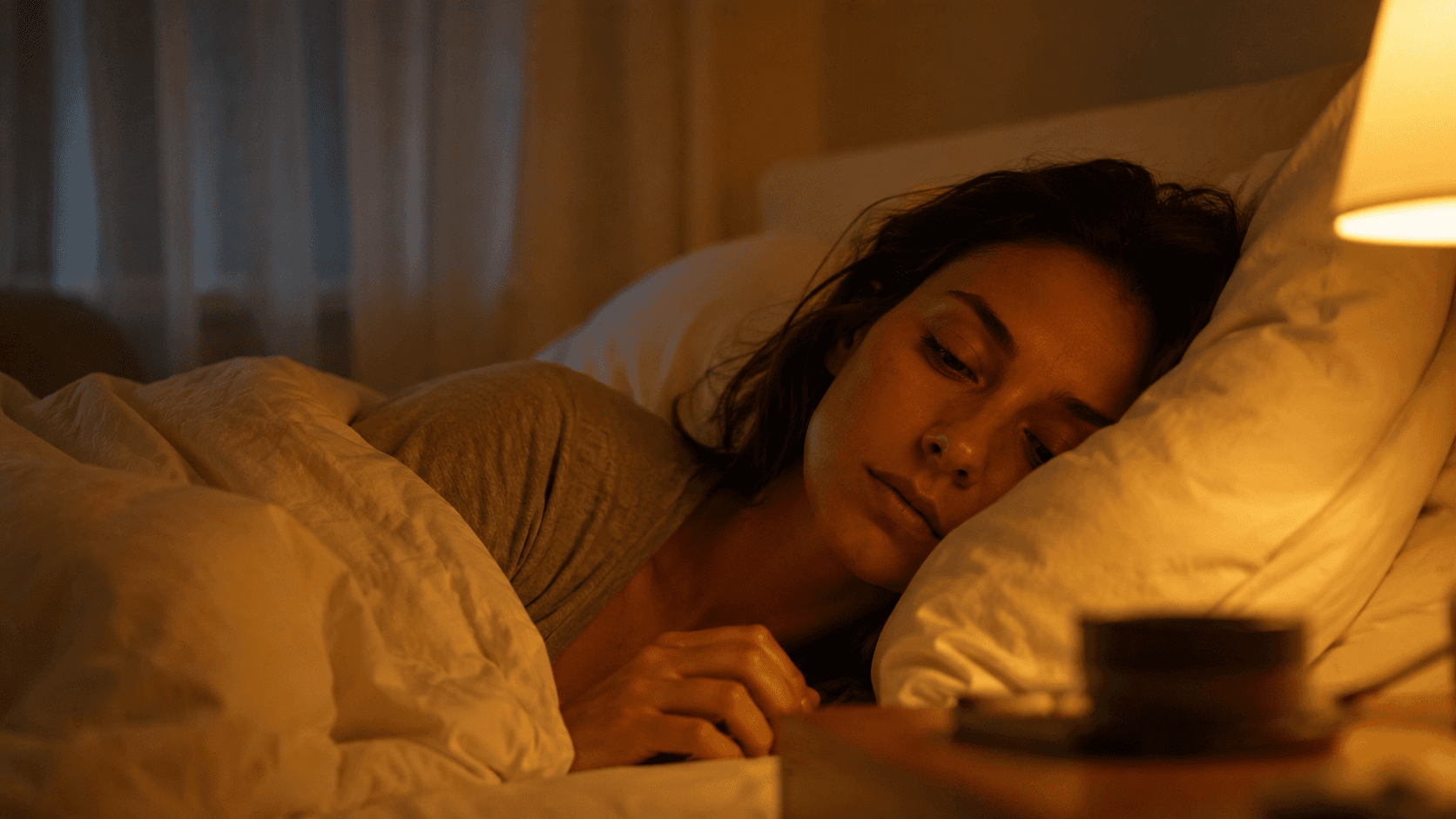
Hypnic jerks explained. The twitch happens first. The falling sensation is your brain's after-the-fact reconstruction, assembled in half a second to explain an unexpected muscle movement.
 10 min
The neurochemistry that builds dreams does not save them. Why most of a dream is gone within minutes of waking, and what the science says about remembering more.
 7 min
7 minThe neuroscience of waking up right before your alarm. The anticipatory cortisol rise that times your awakening before you ever open your eyes.
 9 min
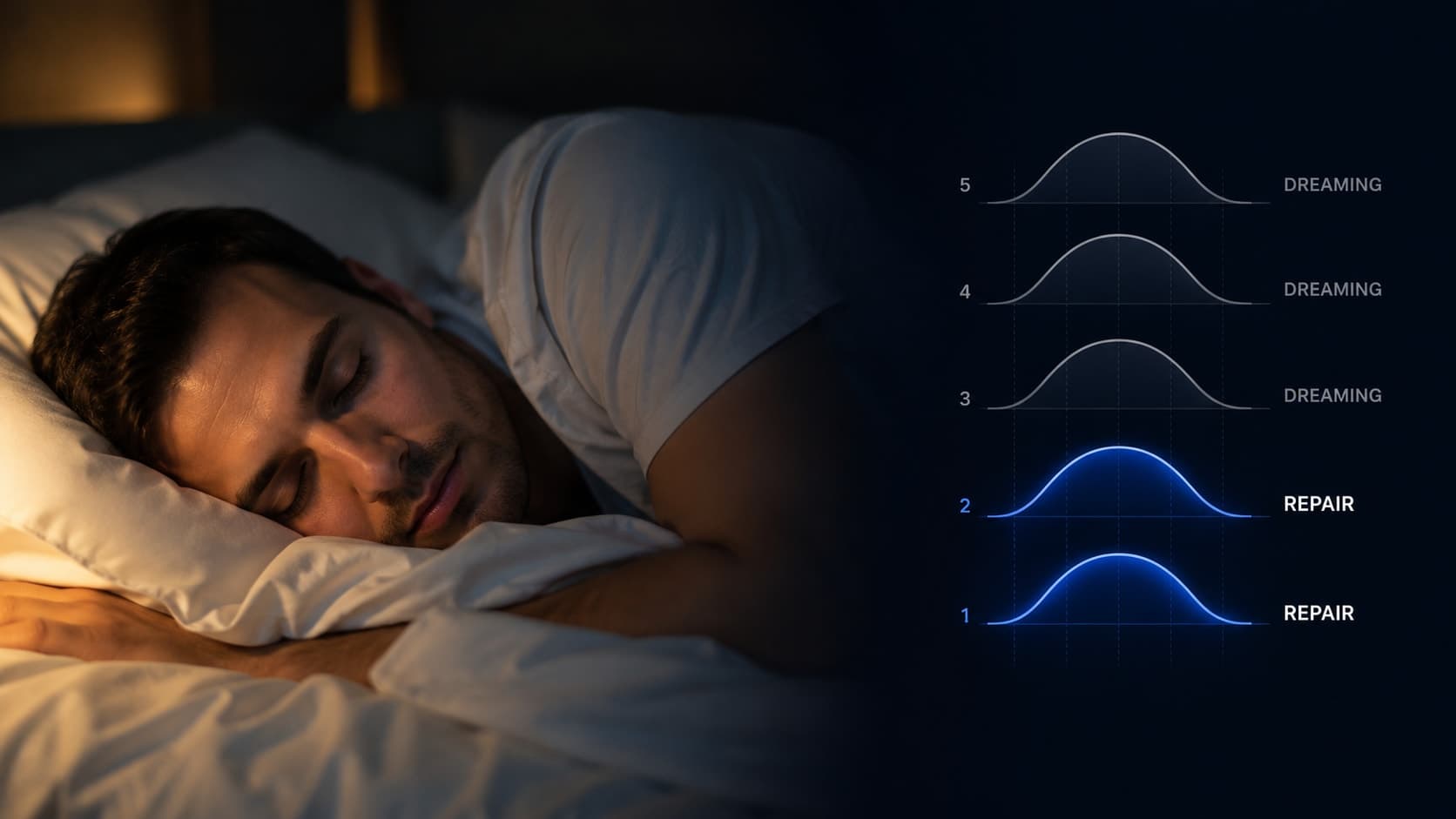
9 minYour body does its deepest repair in the first two sleep cycles, not equally all night. Learn what controls this window and how to protect it before bed.
 12 min
What NSDR actually does to your brain: the 2002 dopamine study, hippocampal replay, theta waves, and why wakeful rest is neurologically distinct from sleep.
 13 min
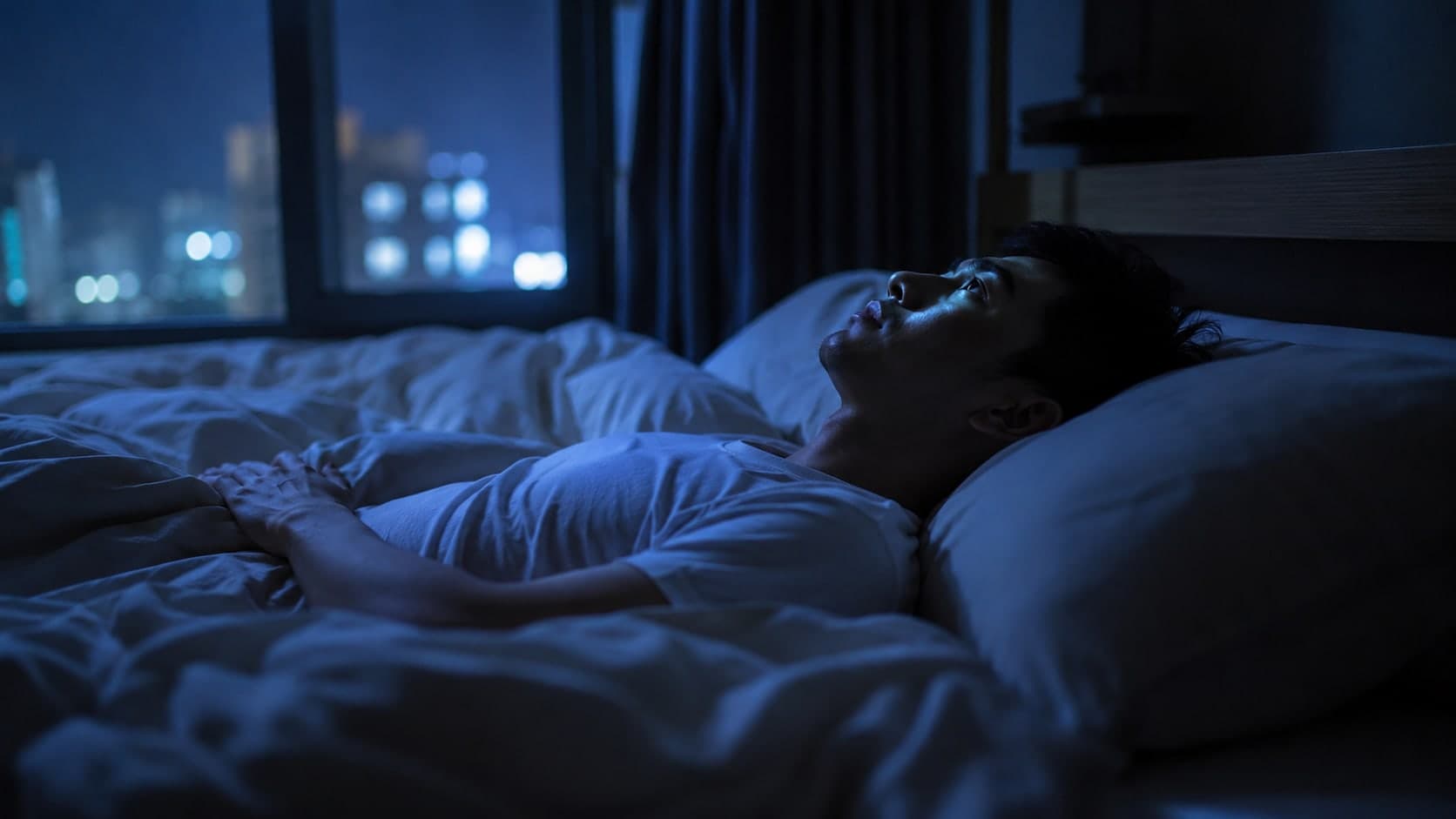
You are exhausted but cannot fall asleep. Research reveals why physical fatigue and brain arousal are two separate systems, and only one controls whether sleep begins.
 11 min
Sleeping 8 hours and still exhausted? The problem is not duration. It is where your alarm cuts the 90-minute sleep cycle, and why the last cycle matters most.