 10 min
Why Your Coffee Doesn't Work Like It Used To
The real reason caffeine's effect fades over time, why some people handle afternoon coffee fine and others can't, and how to reset it properly.
Editorial Desk
Editorial Research · Nutritional Science
The GetClariSync Nutrition Desk reviews research in nutritional biochemistry, metabolism, and dietary science. We read across the American Journal of Clinical Nutrition, the British Journal of Nutrition, the Journal of Nutrition, Nutrients, and Cochrane Reviews — and we are explicit about what the evidence shows and where it is weak. We do not promote restrictive diets, supplements, or single-food claims unsupported by replicated research. We are editorial researchers, not registered dietitians or physicians — please consult a qualified nutrition professional or your doctor before significant dietary changes, especially if you have a health condition, take medication, are pregnant, or are managing a chronic disease.
Articles
All articles authored or reviewed by GetClariSync Nutrition Desk.
10 minThe real reason caffeine's effect fades over time, why some people handle afternoon coffee fine and others can't, and how to reset it properly.
 7 min
7 minStanding barely helps. Walking 2 to 5 minutes right after eating works twice as well. Here is the research on timing versus duration.
 9 min
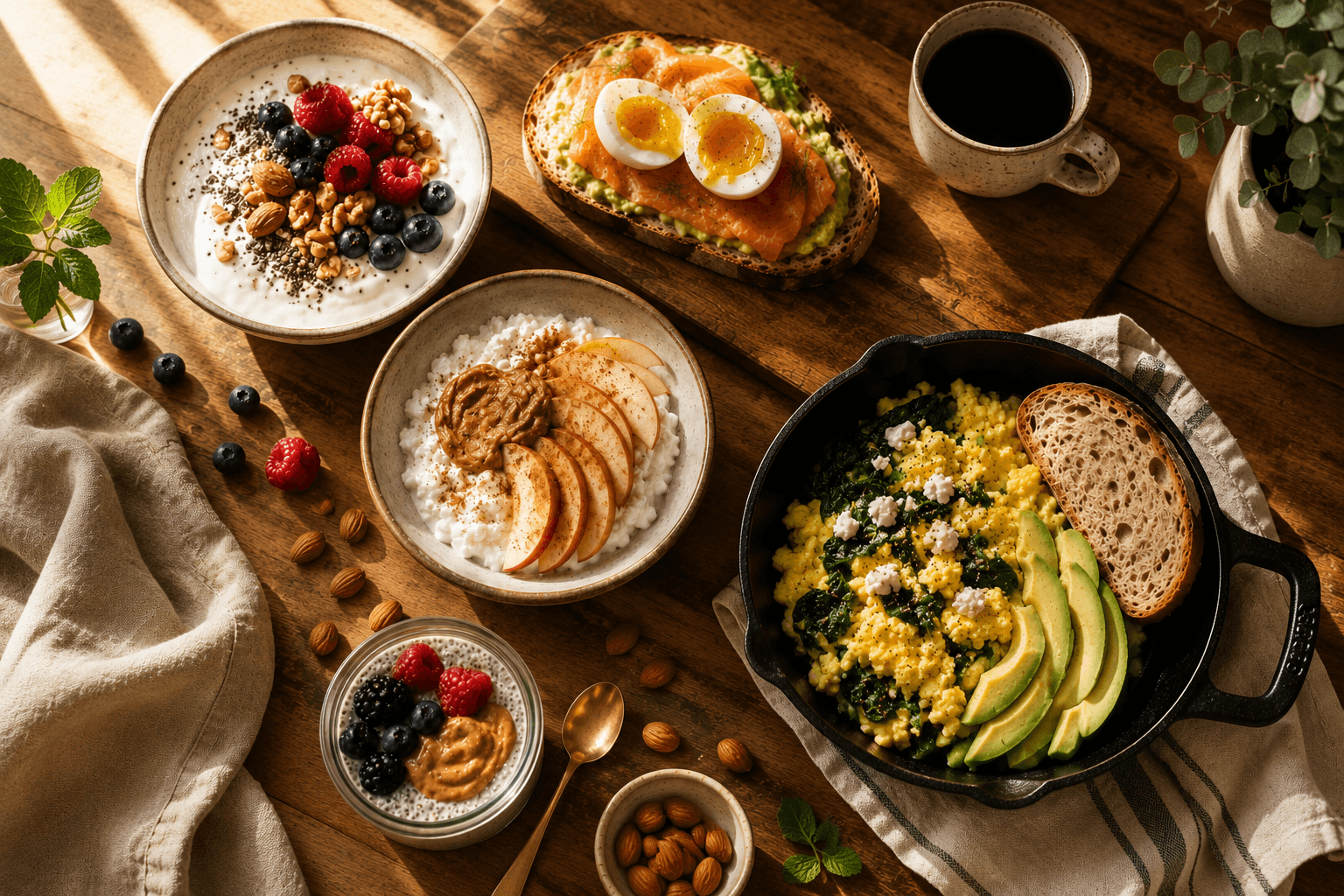
9 min5 anti-cortisol breakfasts built on 3 chemistry rules that actually lower morning cortisol. Grocery list included. Each recipe ready in under 10 minutes.
 11 min
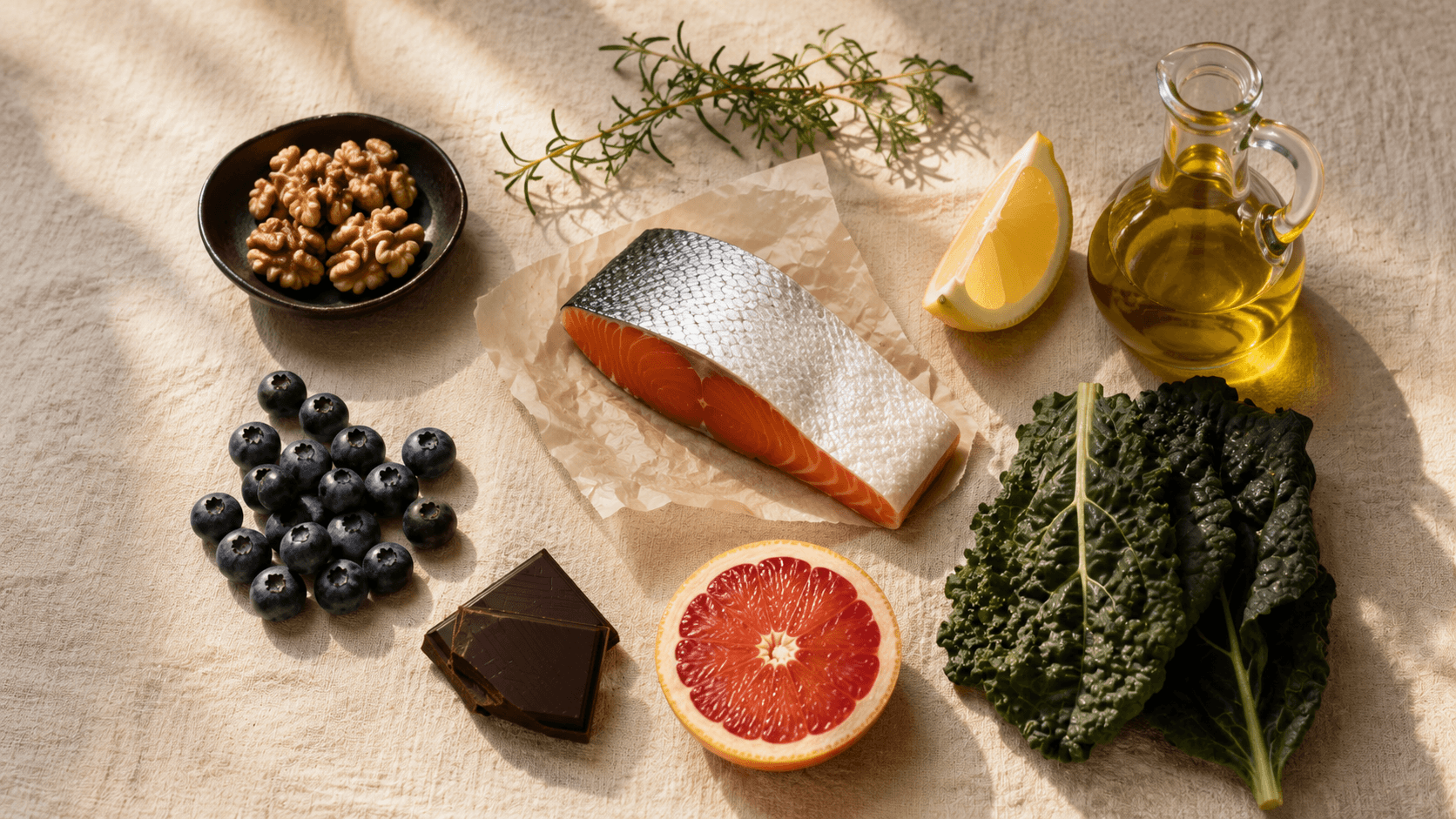
The research on cortisol and food supports two things more than any single food: the dietary pattern and the meal timing. Here is what actually has clinical evidence.
 11 min
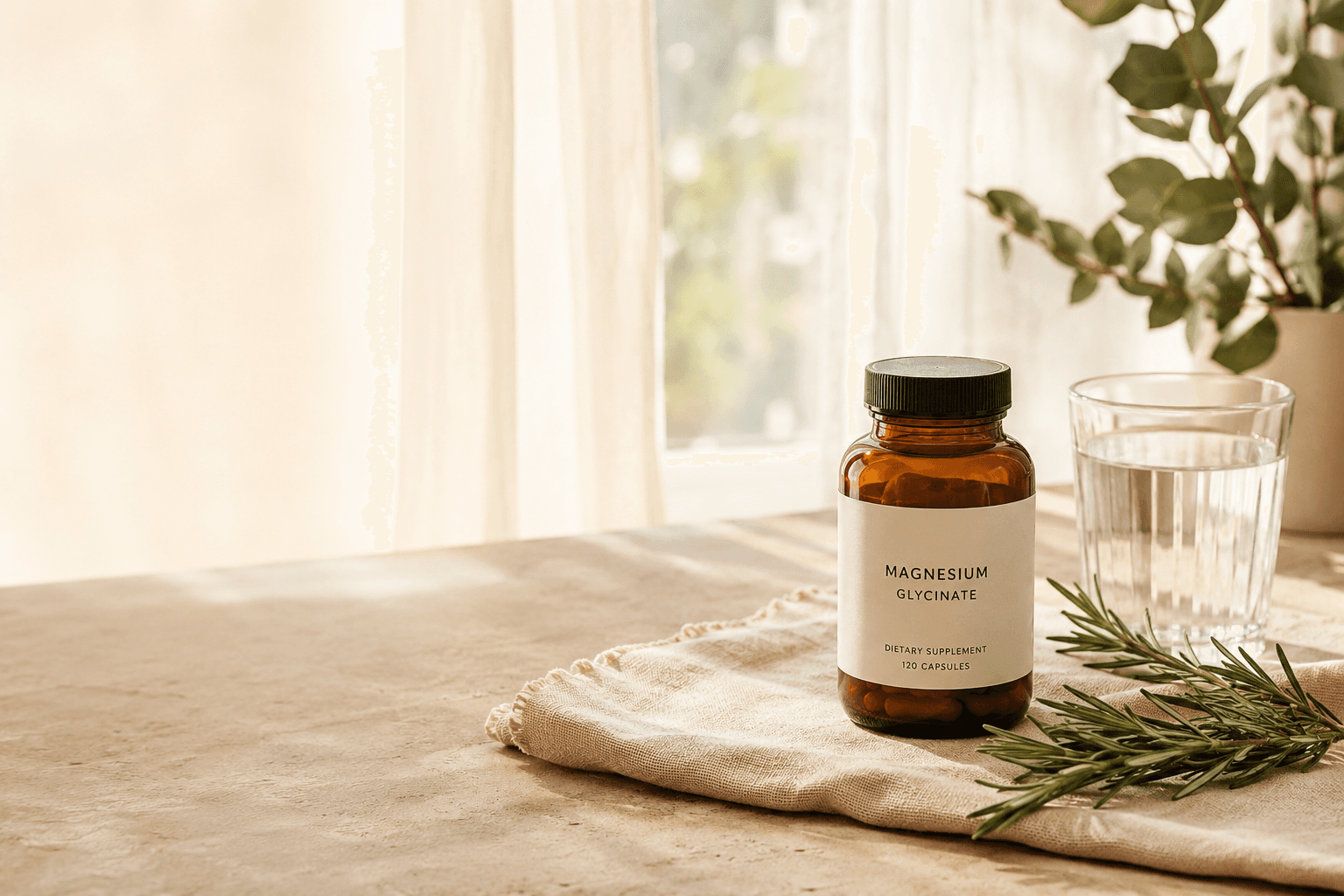
The magnesium that worked in week two often stops by month three. The tolerance mechanism, four failure points, and the rotation protocol that resets it.
 10 min
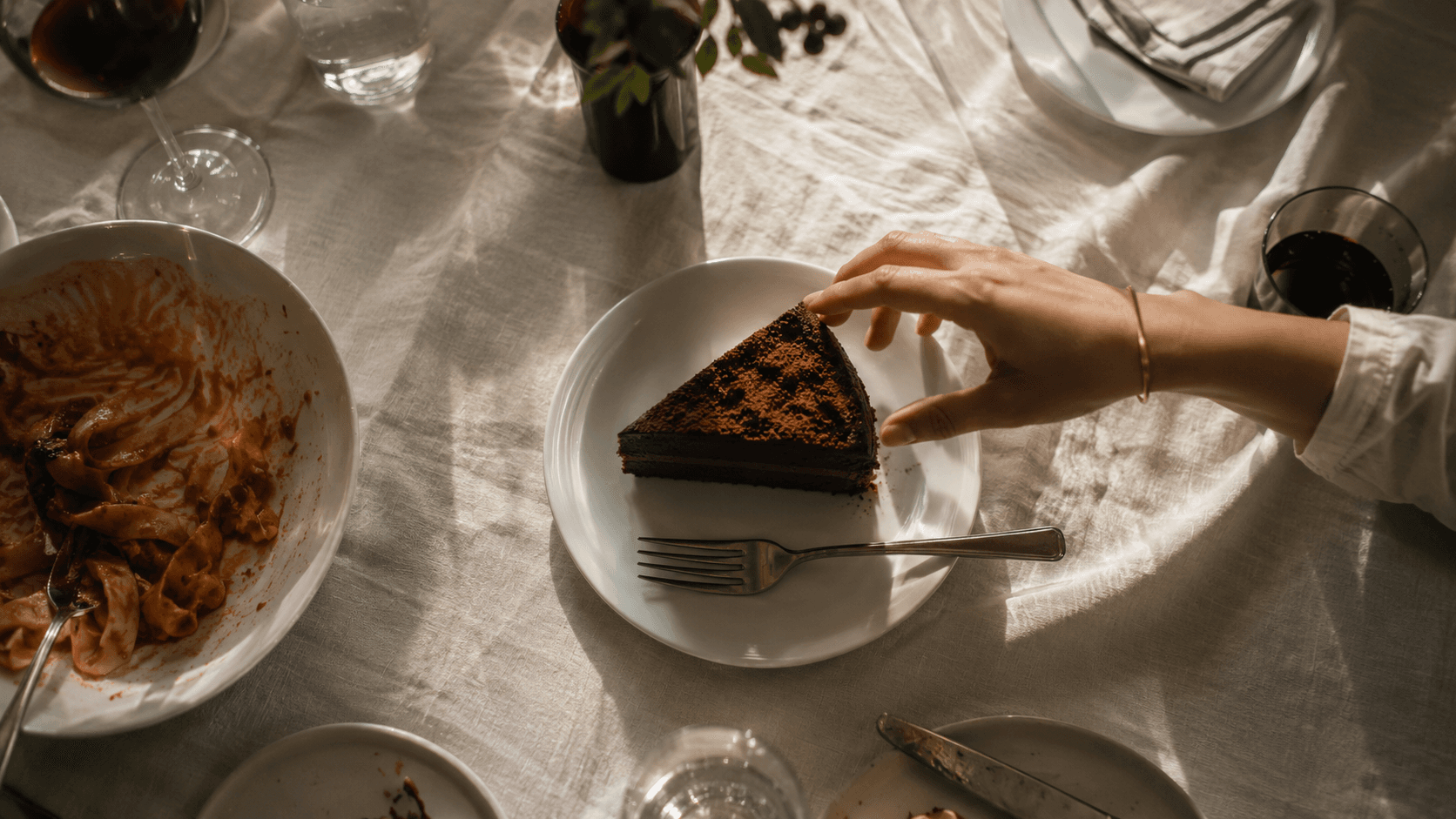
Your brain tracks fullness separately for each food. The pleasantness of pasta drops with each bite. The pleasantness of chocolate stays. The science of sensory-specific satiety.
 9 min
9 minMorning coffee feels stronger because cortisol peaks 30-45 minutes after waking. Caffeine stacks on top of the peak. The same cup at ninety minutes lands cleaner.
 8 min
8 minSugar cravings are not a willpower problem. They are a glucose curve problem. The dip that follows the spike is what drives the craving two hours later.
 13 min
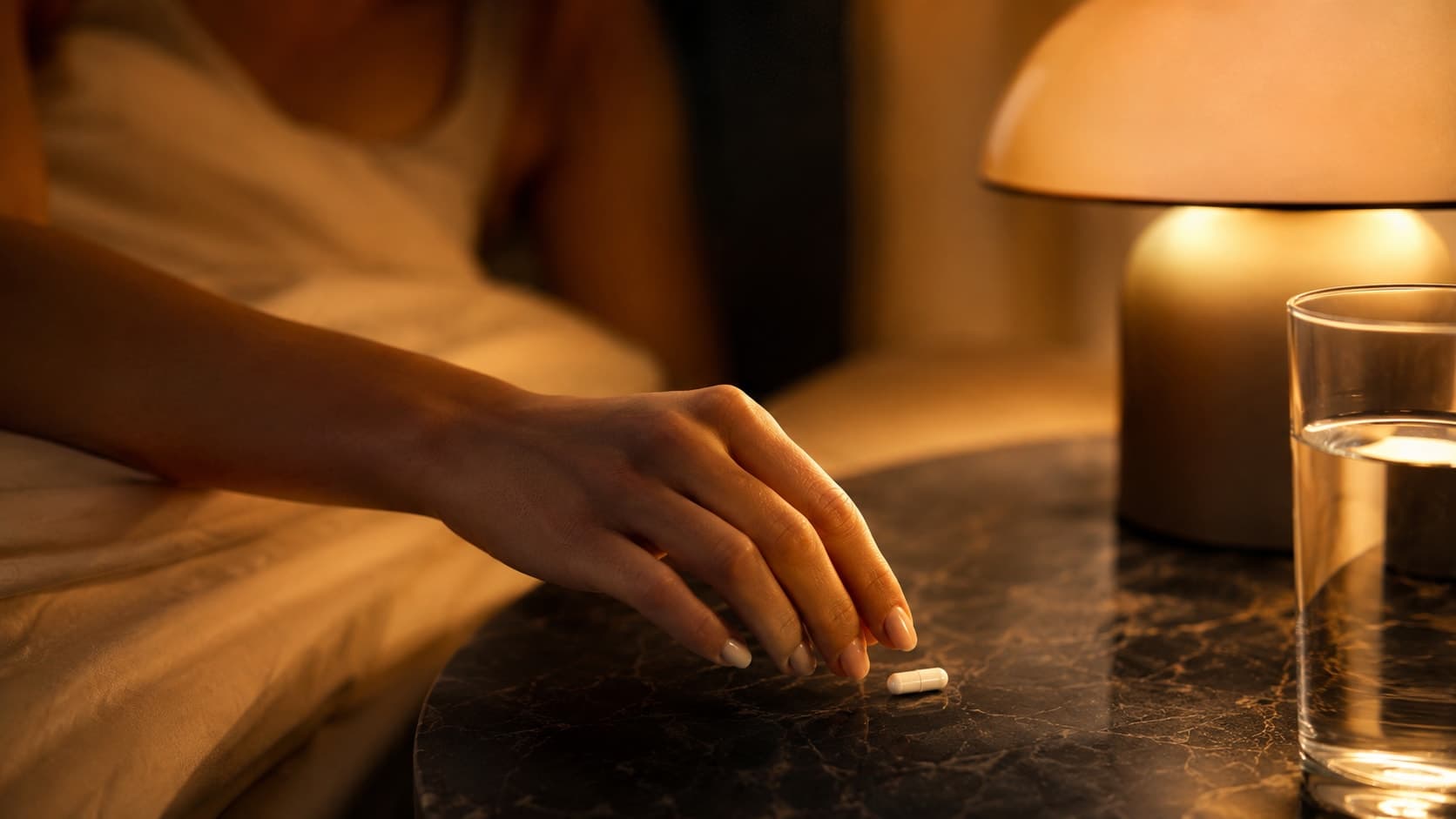
What the research actually shows about magnesium for sleep and anxiety: the form problem, absorption rates, glycine's independent effect, and what your blood test misses.
 14 min
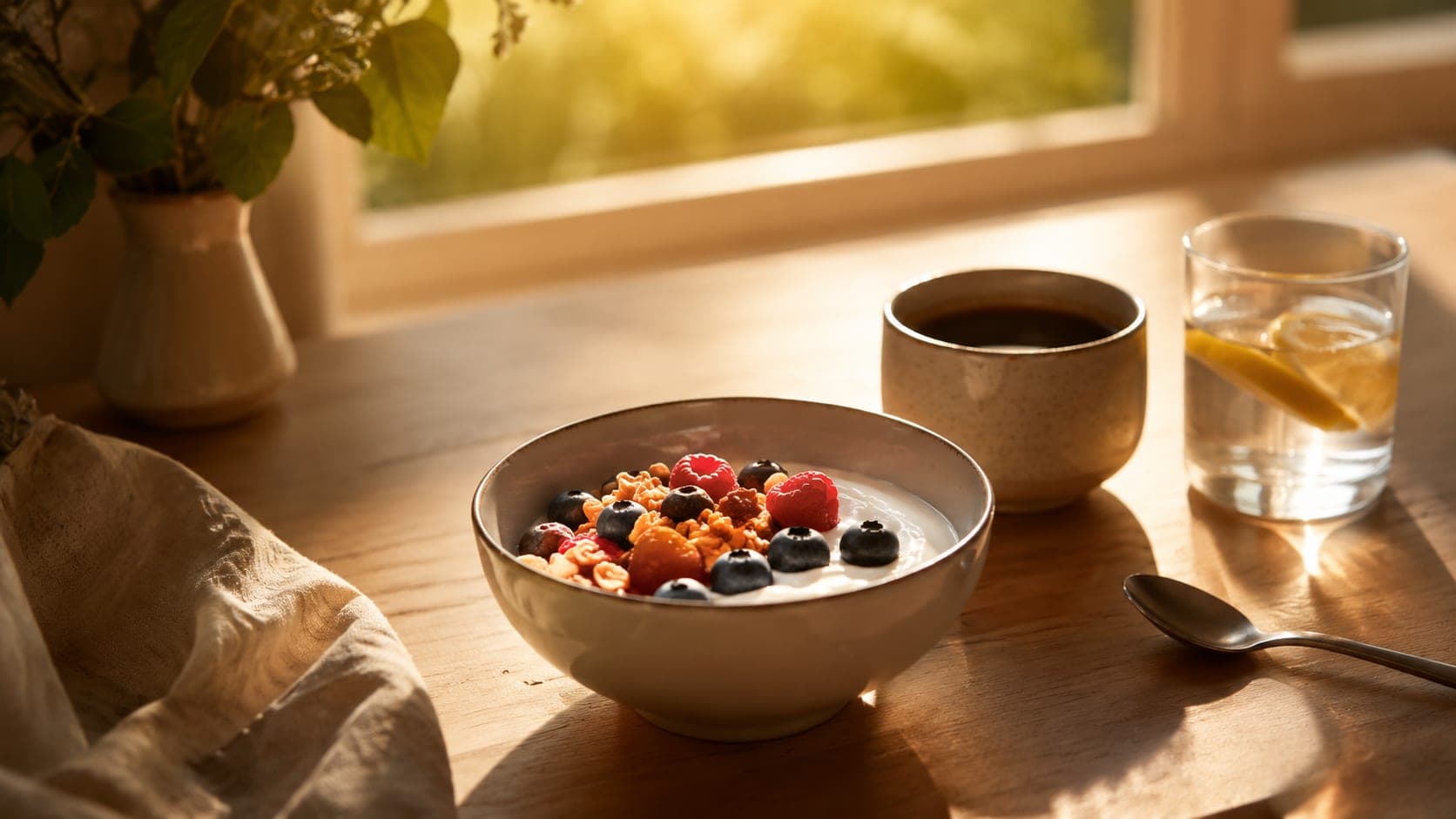
The same meal hits your body differently at 8am than at 8pm. Chrononutrition research shows when you eat affects metabolism as much as what you eat. Here is how your circadian clock determines the difference.
 11 min
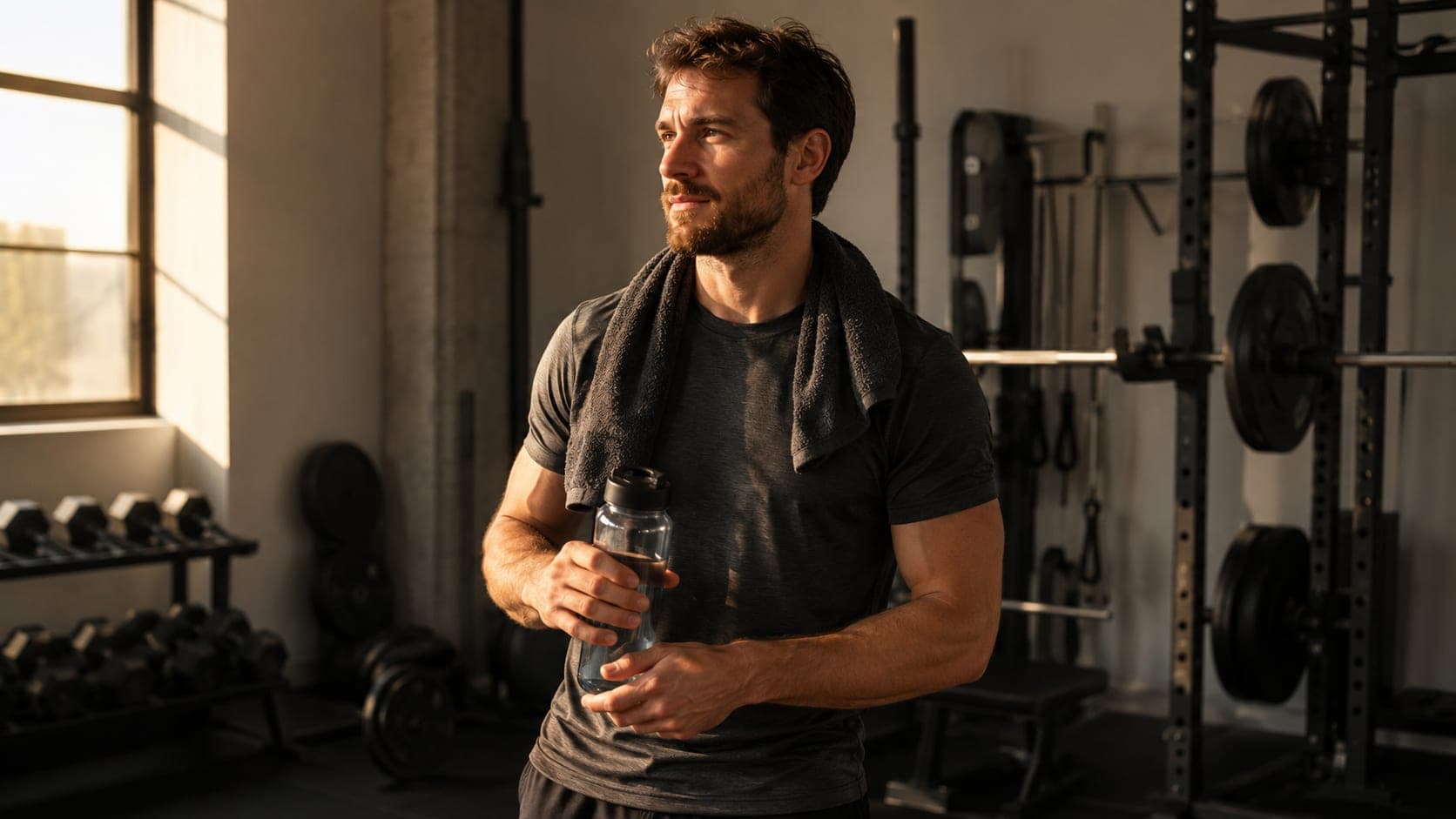
The 30-minute post-workout protein window was a supplement concept, not a research finding. What meta-analyses show about timing, total intake, and when context actually changes the answer.
 12 min
GLP-1 is the hormone Ozempic mimics. Your body produces it naturally. Here is the science of how modern eating bypasses the system that was supposed to keep you full.
 14 min
95% of your serotonin is made in your gut, not your brain. Bacteria and cells that respond directly to what you eat produce it. Here is the mechanism and what it means for every meal.