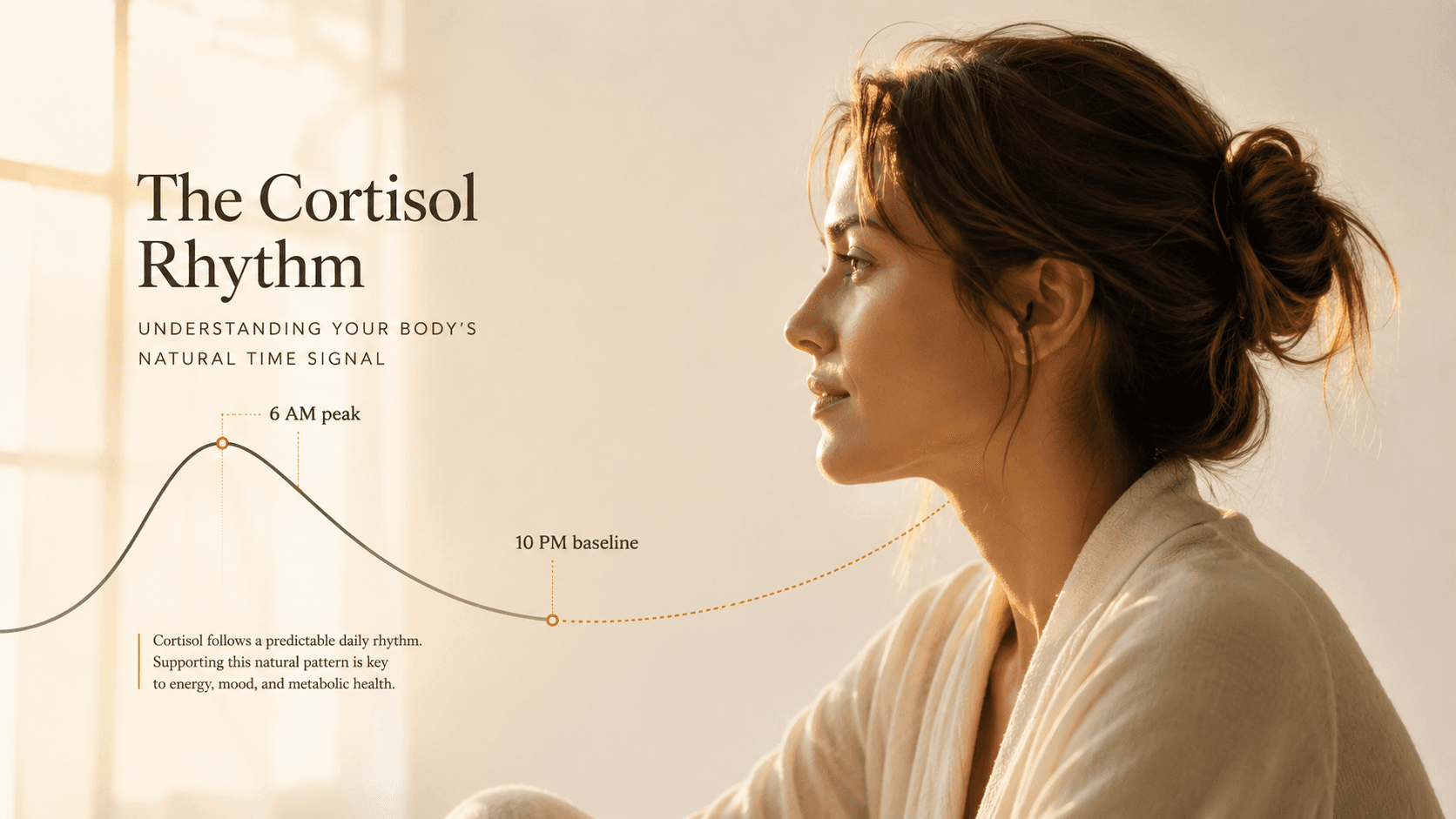
The deadline finally clears Friday afternoon. You made it, still upright, still functioning. Saturday morning arrives, and so does the sore throat. The pounding head. The full-body ache that wasn't there twenty-four hours earlier when you were somehow still fine. It always seems to land the exact moment the pressure lifts, never during the stretch that should have broken you.
The usual line is that you finally "let your guard down." That phrase is doing more work than people realize. It isn't just a figure of speech. It's close to a literal description of a specific, documented immunological event, one with a name most people have never heard even though a striking number of them have lived through it.
The Syndrome Actually Has a Name
Researchers surveyed a large, representative sample of adults, asking them directly whether they recognized a specific pattern in themselves: feeling noticeably sicker on weekends or vacations than during the working days surrounding them. A separate group of confirmed cases was then compared against matched controls to map out exactly who this happens to and why.
Roughly 3 percent of adults recognized the pattern clearly enough in themselves to call it consistent. That's a real, measurable minority, not a coincidence a handful of people happened to notice. The follow-up comparison found something just as telling: the people most prone to it weren't the most stressed in some generic sense. They were high achievers with an unusually strong sense of responsibility toward work, and a specific difficulty switching out of that mode even once the demand had ended.
Cortisol Was Doing Its Job
To understand why the symptoms wait, it helps to know what cortisol is actually doing to your immune system during the stressful stretch itself, not after it. A major review examined how glucocorticoids like cortisol shape immune activity across different situations and time frames.
At the levels typically present during a sustained demanding stretch, cortisol actively dampens inflammatory signaling. That matters because a large share of what a cold or flu actually feels like, the ache, the congestion, the fever, comes from your own immune system's inflammatory response to a pathogen, not only from the pathogen itself. Suppress that inflammatory signal, and you can be carrying an active infection while feeling almost nothing.
A sustained stretch of high demand and pressure
Cortisol stays elevated to meet the ongoing demand
Elevated cortisol dampens inflammatory signaling
Symptom-producing inflammation stays suppressed even with a pathogen already present
The stressful period ends and cortisol drops
Inflammatory signaling rebounds now that the brake is released
Symptoms that were being held back finally become fully noticeable
Getting sick within the first day or two of actually slowing down
Why It's Not Just About Germs
Cortisol's rebound is a real, documented mechanism. It isn't the only thing happening. Travel exposes you to unfamiliar pathogens in airports and shared spaces. High-pressure weeks routinely come with shortened sleep, and sleep debt independently weakens immune defenses. Diet and alcohol intake often shift around big deadlines and trips too. The honest picture is a stack of contributing factors, with the cortisol rebound as one strong, well-supported piece rather than the entire explanation every time.
During the stressful stretch
- Cortisol stays elevated to meet demand
- Inflammatory signaling is actively dampened
- Symptoms of an existing infection can stay muted
- Alertness and output feel sustainable, even pushed
Once it ends
- Cortisol drops, sometimes sharply
- The inflammatory brake releases
- Suppressed symptoms surface, often within a day or two
- The body registers demands it was postponing responding to
Who This Hits Hardest
The people most prone to this pattern weren't simply the busiest. They were characterized by a high need for achievement and an unusually strong sense of responsibility toward their work, alongside a specific difficulty mentally disengaging from it even once the actual workload had stopped. In other words, the body often keeps running the stress response for a while after the calendar says it's over, because the mind hasn't fully clocked out yet.
What Actually Reduces It
None of this is fully preventable, since it depends partly on genuine pathogen exposure. The size and sharpness of the crash is something you have real influence over.
- 1Taper, don't cliff-dive A hard stop from maximum output to zero is the sharpest possible cortisol drop. Winding down over the last day or two of a demanding stretch, rather than pushing at full intensity until the final hour, softens the rebound.
- 2Protect sleep during the stressful stretch itself Sleep debt weakens immune defenses on its own, independent of cortisol. Protecting even six hours during a hard week reduces what the rebound ends up having to catch up on.
- 3Build in a buffer day Starting a demanding trip the exact day a major deadline ends removes any margin. A single buffer day absorbs a predictable dip instead of costing you the whole first leg of a vacation.
- 4Don't treat every crash as a brand-new illness If it reliably follows the same pattern after hard stretches, stress-timing is the more likely explanation than an unrelated new infection each time, which changes how much it's worth worrying about.
You didn't get sick the moment you relaxed. You got sick the moment your body stopped having to pretend you weren't already sick.
It isn't bad luck, and it isn't your body betraying you at the worst possible time. It's a hormone doing exactly what it's supposed to do under pressure, and then stopping the moment the pressure genuinely ends. The illness was never scheduled for vacation. It was just finally allowed to show up.
GetClariSync Body Desk
Editorial Research · Sports & Movement Science
The GetClariSync Body Desk reviews research in exercise physiology, recovery science, and sports nutrition. We follow journals including Medicine & Science in Sports & Exercise, the Journal of Applied Physiology, the British Journal of Sports Medicine, and the European Journal of Applied Physiology. We separate findings from trained-athlete populations from those relevant to recreational readers, and we flag when transferring a protocol across populations is unsupported. We are editorial researchers, not certified trainers, physiotherapists, or sports physicians — please consult a qualified professional before starting new exercise programs, especially with existing injuries, pregnancy, cardiovascular conditions, or chronic disease.