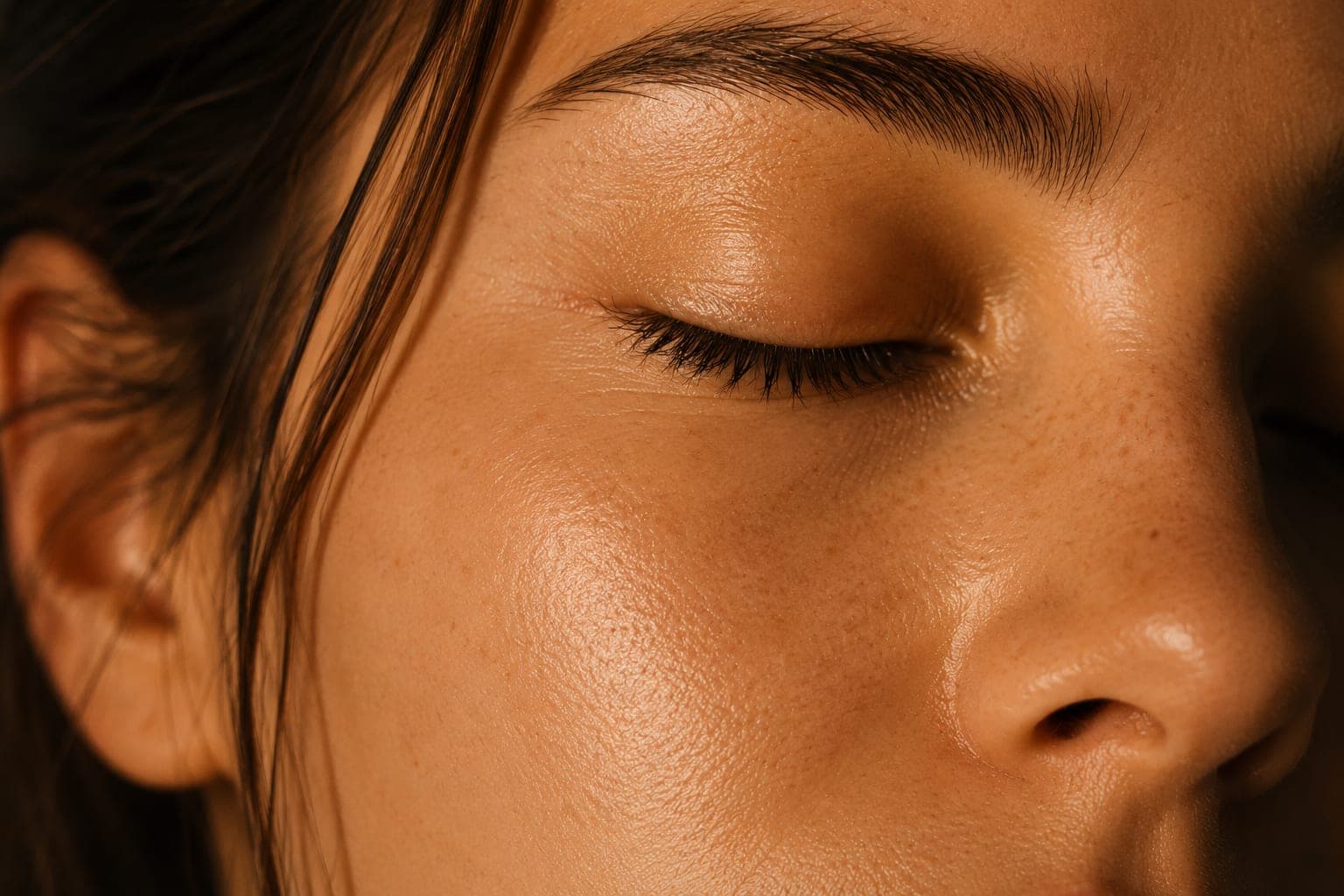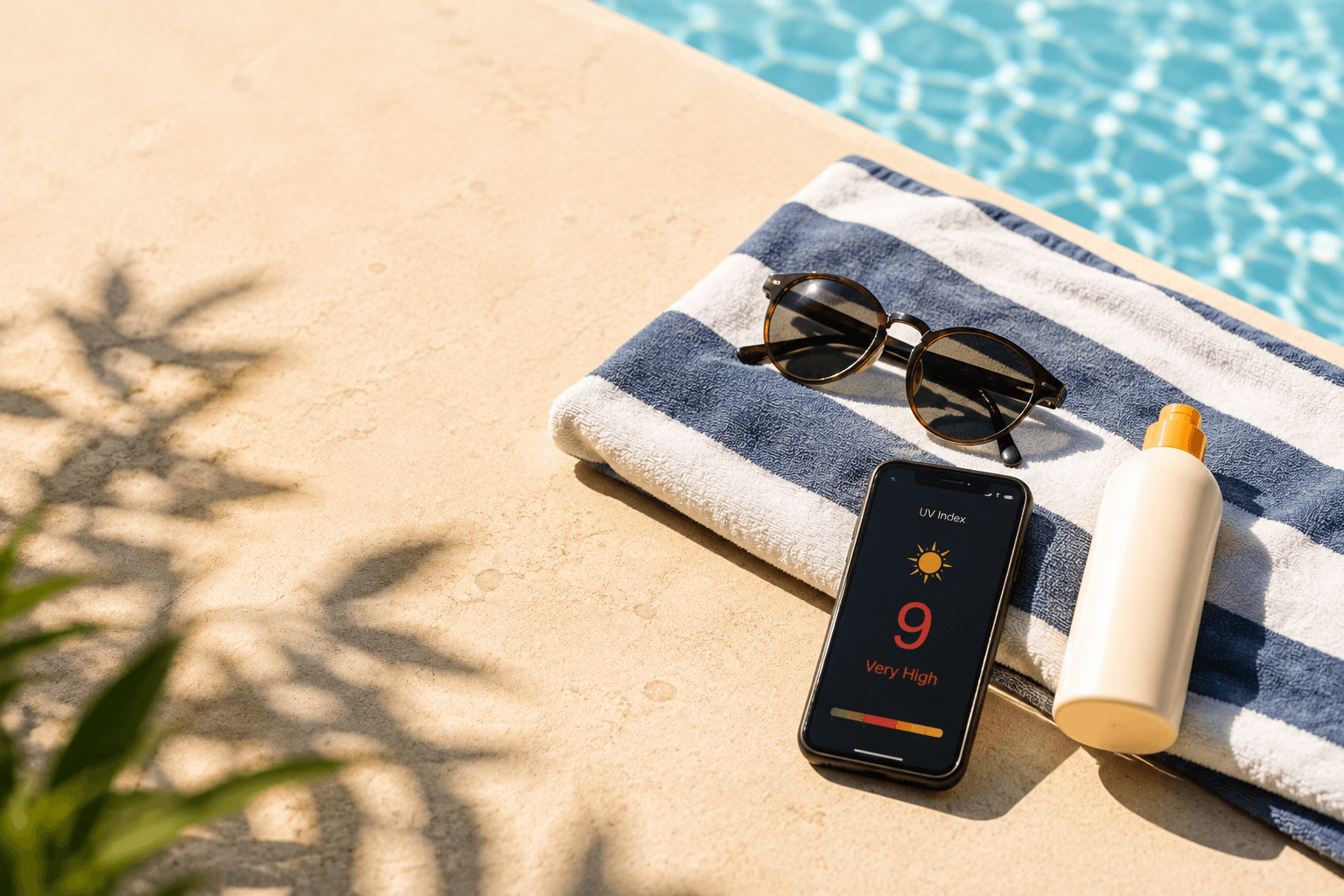
The tan everyone is chasing this summer is not a filter. It is a photograph of DNA damage, taken a few days after the fact.
Tanmaxxing means deliberately maximizing sun exposure, often without sunscreen and during peak UV hours, to get the darkest possible tan as fast as possible. The tan itself is the visible result of skin cells detecting DNA damage and triggering a repair-and-pigment response, not a sign of protection building up. A base tan provides an SPF of roughly 3 or less, and starting tanning bed use before age 35 is linked to a nearly doubled melanoma risk. The trend is not a harmless aesthetic choice. It is repeated, voluntary exposure to a substance the World Health Organization classifies in its highest cancer risk category.
Somewhere between skinimalism and skin cycling, a very different kind of skincare trend took over. Tanmaxxing has no routine, no product list, and no dermatologist behind it. It is simply this: go outside when the UV index peaks, skip the sunscreen, and stay until the color shows. The goal is speed. The metric is depth of color. Almost nobody chasing it has asked what is actually happening at the cellular level while they wait.
That question has an answer, and it is stranger than most people expect. A tan is not the skin building a shield. It is the skin reporting an injury.
The Tan Is Not a Shield. It Is a Record.
Researchers wanted to know exactly what happens, biologically, in the hours before a tan ever becomes visible. Not what the skin looks like afterward, but what triggers the process in the first place, and in which cells it starts.
“UV exposure activates p53 in keratinocytes, which induces expression of proopiomelanocortin (POMC) and its downstream product alpha-MSH, driving the pigmentation response in melanocytes.”
Ultraviolet radiation strikes DNA inside skin cells
UV energy damages DNA within keratinocytes, the skin's most abundant cell type
The damage activates p53, the cell's primary damage-detection protein
p53 switches on production of a hormone precursor called POMC inside the keratinocyte
POMC is processed into alpha-MSH, which signals nearby melanocytes
Melanocytes respond by producing melanin, the pigment that visibly darkens skin
A tan appears only after the DNA damage that triggered it has already happened
This is why tanning always lags behind exposure by a day or two. The color is not the skin's defense system winning. It is the visible tail end of a damage-detection alarm that already went off. Every additional session of unprotected sun does not build on a shield. It adds another round of the same detection-and-repair cycle, on cells that are already managing damage from the last one.
The same p53 protein that triggers a tan is the one your cells rely on to catch and repair DNA errors before they turn into cancer. A deep, fast tan is not evidence that skin adapted. It is evidence that this repair system had a busy week.
Why a Base Tan Doesn't Work the Way People Think
Part of tanmaxxing's appeal rests on an old idea: get a base tan early, and the skin toughens up, making later sun exposure safer. It is one of the most persistent myths in dermatology, and it has been tested directly.
“A tan resulting from unprotected UV exposure offers a sun protection factor of approximately 3, far below the SPF 15 or higher recommended for daily use.”
What people expect from a base tan
- Builds resistance to sunburn
- Makes the next day in the sun safer
- Works like a natural, built-in sunscreen
- A sign the skin has adapted and toughened up
What a base tan actually provides
- An SPF equivalent of roughly 3, against a recommended minimum of 15
- No meaningful reduction in future burn risk
- Already-accumulated DNA damage, not adaptation
- Visible proof that the repair-and-pigment response was triggered, not that protection increased
The Number Behind the Risk
A research team pooled data from 27 separate studies to answer a more specific question: how much does tanning bed use actually change the odds of developing melanoma, and does the age someone starts change the picture.
“Ever use of sunbeds was associated with a summary relative risk of 1.20. First use before age 35 was associated with a summary relative risk of 1.87, and each additional year of use was associated with a 1.8% increase in melanoma risk.”
A relative risk of 1.87 does not mean a small nudge. It means the risk is nearly double compared to people who never used a tanning bed, concentrated specifically in people who started young, exactly the demographic driving tanmaxxing on social platforms right now.
Where the Damage Actually Starts: DNA, Not Skin Tone
In 2009, an international panel of cancer researchers convened to review the full body of evidence on ultraviolet radiation and formally reclassify it based on what the data showed.
“There is sufficient evidence in humans for the carcinogenicity of the full spectrum of solar radiation, which was classified as carcinogenic to humans (Group 1), as was the use of UV-emitting tanning devices.”
Sunscreen Doesn't Stop a Tan. It Slows the Damage Behind It.
Getting Color Without Trading Away DNA Repair Time
None of this requires giving up wanting a tan. It requires separating the aesthetic goal from the method currently being used to chase it.
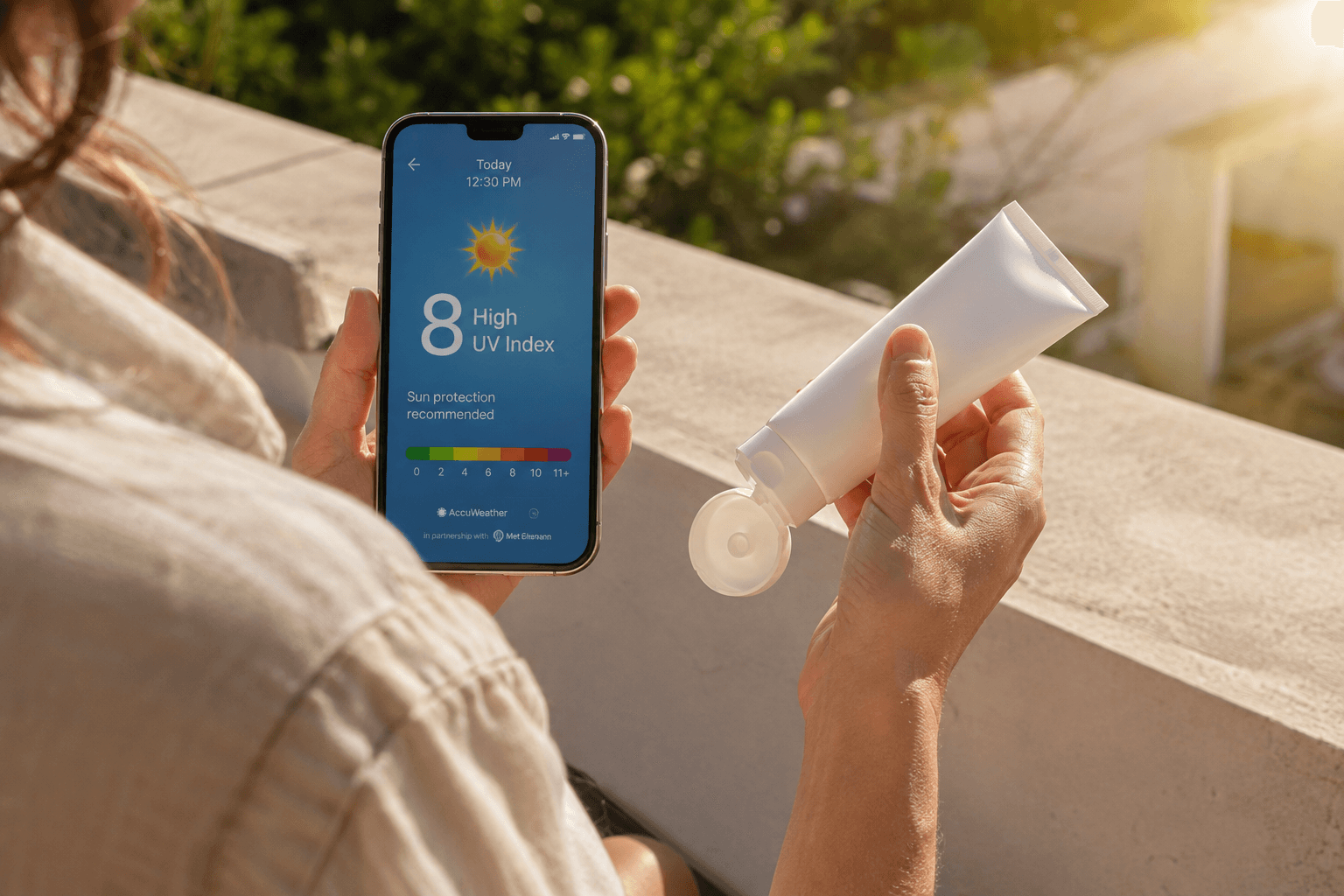
Check the UV index, not the temperature
A cool, cloudy day can still carry a high UV index. Most weather apps show it directly. Anything above 6 warrants shade, a hat, or clothing coverage between roughly 10am and 4pm, when the sun's angle sends the most UVB straight down onto exposed skin.
High impactReapply on a timer, not a feeling
Sunscreen breaks down under UV exposure and washes off with sweat or water well before skin feels burnt. Reapply every two hours outdoors, and immediately after swimming or heavy sweating, regardless of how the skin looks or feels in the moment.
High impactGet the color from a bottle, not a burn
Sunless tanners using DHA react only with dead cells in the outer skin layer. No UV exposure, no DNA damage, no p53 alarm involved. Modern formulas have closed most of the gap with a natural-looking result, which makes this the closest thing to a genuinely free aesthetic win in this entire topic.
High impactWhen to See a Dermatologist

Tanmaxxing sells itself as a shortcut, the fastest route to color that used to take a slower, more patient summer to build. The biology tells a different story. Every visible tan is downstream of DNA damage that already happened, repaired by the same system responsible for catching the mutations that lead to skin cancer in the first place.
The tan is not proof you didn't get burned. It is proof your DNA already did.
Science-Backed Wellness, Weekly
Research summaries on skin, hair, and body science: the mechanisms most wellness content skips over.
Get the weekly dispatchGetClariSync Skin Desk
Editorial Research · Dermatological Science
The GetClariSync Skin Desk reviews research in dermatological science, cosmetic chemistry, and skin biology. We follow journals including the Journal of the American Academy of Dermatology, the British Journal of Dermatology, JAMA Dermatology, and the International Journal of Cosmetic Science. We assess ingredients against clinical evidence rather than marketing claims and we are explicit about the concentration, vehicle, and study quality required for an effect. We are editorial researchers, not board-certified dermatologists — please consult a qualified dermatologist for persistent skin conditions, before starting prescription-strength treatments (e.g. tretinoin), or if you have sensitive or compromised skin.