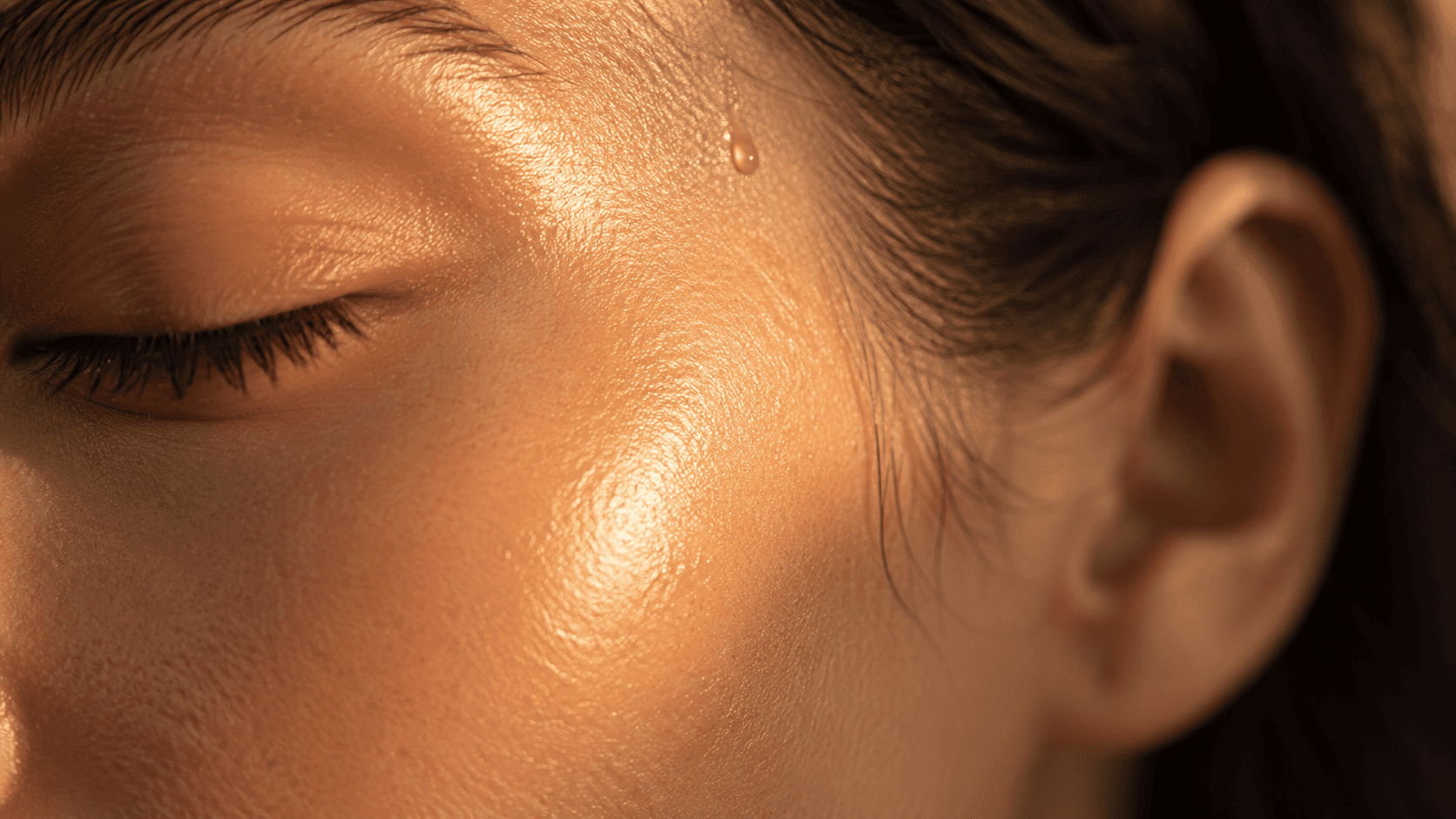
The most effective skincare ingredient right now costs $3 at any drugstore. Dermatologists have known this for decades. The beauty industry would rather you kept buying the serum.
Your skin's primary defense against dryness, irritation, and accelerated aging is the skin barrier — a microscopic lipid matrix in the stratum corneum built from ceramides, cholesterol, and fatty acids. Most modern skincare routines disrupt it daily through alkaline cleansers, over-exfoliation, and fragrance. Research now confirms that bacteria living on your skin contribute ceramides too — making antibacterial washes more costly than most people realize. Rebuilding the barrier means simplifying, not adding more.
There is a peculiar irony at the center of the modern skincare industry. Consumers spend thousands a year on products designed to transform their skin — serums, peels, retinoids, acids — while quietly eroding the one biological structure that determines whether any of it can work. The structure has a name most people have never heard. It is affected by almost every product on the market. And as a landmark 2022 study confirmed, it is actively maintained by bacteria living on your face — bacteria that a growing number of popular cleansers are designed to remove.

The Barrier Isn't Your Skin. It's What's Between Your Skin Cells.
The outermost layer of your skin — the stratum corneum — is between 10 and 20 micrometers thick. Thinner than a human hair. Within it, dead skin cells called corneocytes stack in overlapping rows like bricks. The space between them is filled with a lipid mixture secreted by living keratinocytes just below: roughly 50% ceramides, 25% cholesterol, and 15% free fatty acids. That lipid matrix is the skin barrier. It is the mortar between the bricks. It determines whether water stays in your skin and whether irritants stay out.
Keratinocytes in the living epidermis produce membrane-bound organelles called lamellar bodies, which migrate to the upper stratum corneum and release their lipid contents into the intercellular space. These lipids self-assemble into lamellar sheets — alternating lipid bilayers that form the barrier membrane. Transepidermal water loss (TEWL) is the clinical measure of how intact this membrane is. Healthy adult skin: 2–5 g/m²/h. Significantly disrupted skin: 15+ g/m²/h. The ratio of ceramides, cholesterol, and fatty acids determines whether those sheets form correctly — alter the ratio and the architecture degrades.
The detail that most product labels obscure: ceramide presence is not the same as ceramide function. A 2024 review in the International Journal of Cosmetic Science confirmed that ceramides in skincare must be dissolved into the lipid phase of a formula at high temperature during manufacturing to integrate into stratum corneum architecture. If undissolved — which happens when manufacturers skip the heating step — ceramides remain in crystalline form and cannot participate in lamellar sheet assembly. The word 'ceramide' on a label tells you nothing about whether that ceramide is bioavailable. Formulation process determines efficacy. Most brands do not disclose it.
“Undissolved ceramides have counterproductive effects on skin barrier repair capacity when assessed in different in vitro models of disrupted skin barrier.”
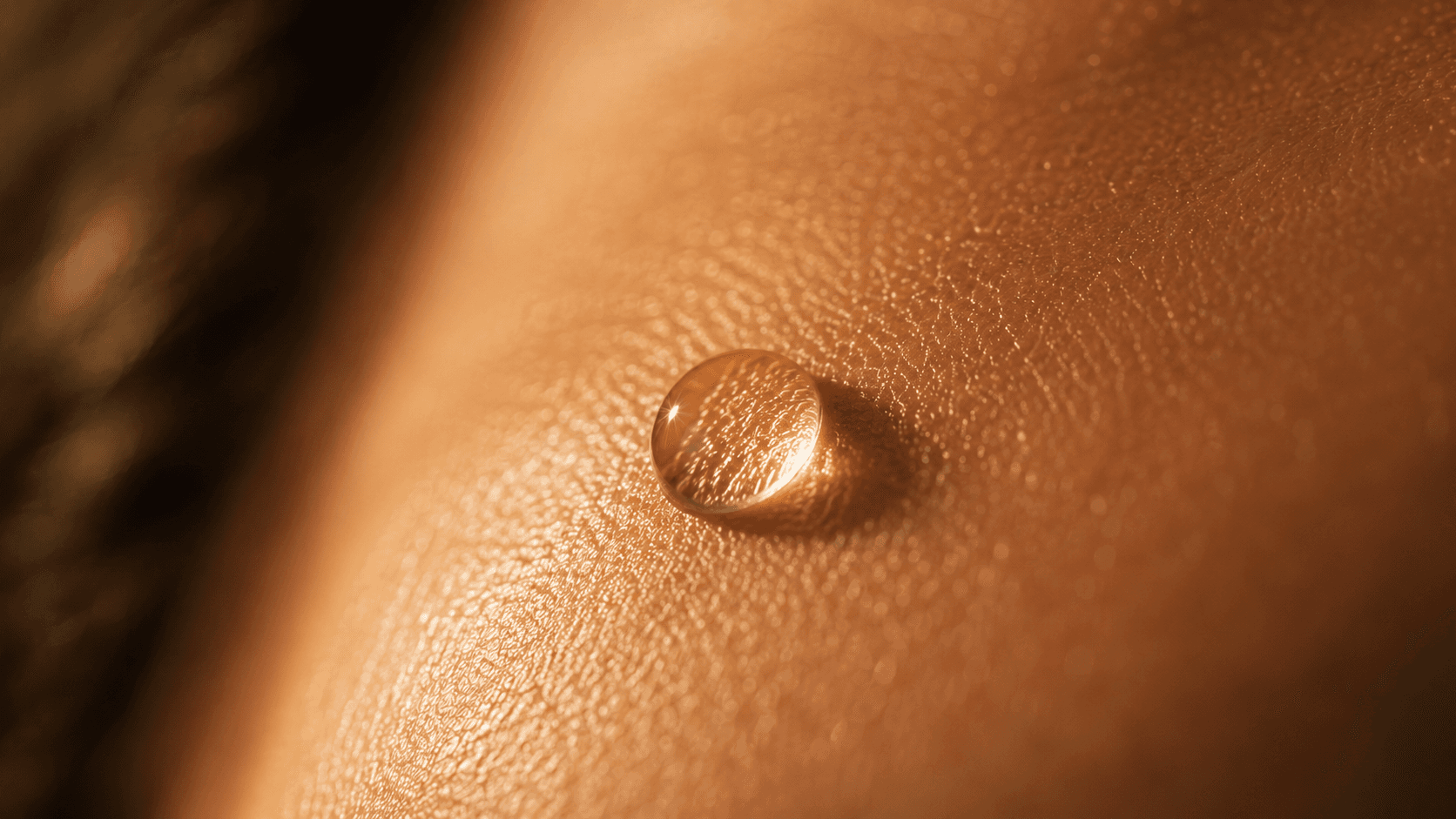
How Popular Skincare Habits Break the Very Thing They Promise to Fix
The default skincare routine — morning cleanser, exfoliating acid, vitamin C serum, moisturizer, SPF, then a repeat cleanse at night with a retinoid and another acid — was designed by an industry that profits from complexity. The problem is that several of these steps, applied daily without rest, cause measurable barrier damage. Alkaline cleansers (most bar soaps: pH 9–11) disrupt the skin's natural acid mantle, which sits at pH 4.5–5.5. That pH shift suppresses the enzymes in the stratum corneum that synthesize ceramides. Add a daily exfoliating acid, and you physically strip lamellar lipids. Add an antibacterial wash, and you remove the microbiome that contributes ceramide production. The barrier cannot close between cycles.
Tightness immediately after washing. Stinging from fragrance-free products that previously felt neutral. Redness without a clear cause. Skin that feels rough but looks shiny. Products absorbing faster than they used to. Persistent dry patches that moisturizer doesn't resolve. These are all signs the barrier is open. Paradoxically, compromised skin absorbs products faster — because the seal that would slow penetration is gone — creating the illusion that actives are 'working harder' when they are reaching layers they should not reach.
A 2023 analysis in Skin Pharmacology and Physiology characterized the skin barrier through four interdependent functional layers: physical (the lipid matrix), chemical (the acid mantle and antimicrobial peptides), microbiologic (the skin microbiome), and immunologic (epidermal immune surveillance). The critical insight is cascade: disrupt the lipid layer with an abrasive scrub, and you elevate pH, which disrupts the microbiome, which reduces its contribution to ceramide synthesis, which triggers immune activation in the dermis. The layers operate as a single system. Most skincare routines are designed as if they are independent.
The Microbiome Connection That Changes Everything
Here is what no skincare brand will put on its packaging: your skin already has a ceramide factory. It lives on you. Staphylococcus epidermidis — a commensal bacterium present on virtually all human skin — secretes an enzyme called sphingomyelinase. That enzyme cleaves sphingomyelin from the skin's own cell membranes and converts it into ceramide, directly replenishing the stratum corneum's lipid matrix. The bacterium acquires a nutrient source. Your skin gets a ceramide top-up. It is host-microbiome mutualism so elegantly designed that it took a 2022 Cell Host & Microbe study to fully characterize it.
“S. epidermidis significantly increases skin ceramide levels and prevents water loss of damaged skin in a fashion entirely dependent on its sphingomyelinase.”
The sphingomyelinase gene (sph) of S. epidermidis was detected in 70% of armpit skin samples and 50% of facial skin samples from human volunteers. The gene expressed at higher levels during active colonization — meaning the more S. epidermidis is allowed to thrive undisturbed, the more ceramide it generates. The gene is highly conserved across S. epidermidis strains from healthy skin, suggesting this is a species-wide trait rather than a strain variation. Mouse model experiments confirmed: S. epidermidis colonization measurably increases skin ceramide content and reduces TEWL in damaged skin.
The practical implication is direct. Washing your face twice daily with a high-surfactant or antibacterial cleanser does not just remove sunscreen, pollution, and sebum — it removes the microbiome that is actively contributing to barrier maintenance. The skin reconstitutes S. epidermidis over time, but this takes hours. If the gap between washes is shorter than the reconstitution window, the bacterium never reaches the colonization density at which sphingomyelinase production becomes meaningful. The routine is defeating its own biology.
Why Petroleum Jelly Is Dermatology's Best-Kept Non-Secret
The skincare community's viral rediscovery of slugging — applying a thin layer of petroleum jelly (petrolatum) as the final step of a nighttime routine — has accumulated over 3 billion views on TikTok. The irony is complete: the trend and the dermatology literature are in full agreement. Petrolatum is one of the most effective occlusive agents in clinical use. It does not replace ceramides. What it does is act as a physical seal on the stratum corneum surface, dramatically slowing transepidermal water loss and creating the conditions — hydration, low friction, thermal stability — under which the skin's own lipid synthesis can operate overnight without the interference of evaporation.
The Slugging Protocol
Apply as the absolute last step of your nighttime routine, after ceramide moisturizer has absorbed for 2–3 minutes. Use a pea-to-dime-sized amount — far less than you expect. Evidence-backed options: Vaseline Original Healing Jelly (unfragranced), CeraVe Healing Ointment, Aquaphor Healing Ointment. Avoid on active acne lesions: occlusives don't cause breakouts, but can trap bacteria in open comedones. Ideal for: barrier recovery phases, winter dryness, post-peel or post-microneedling skin, eczema flares, or any period when skin is visibly reactive.
High impact“Petrolatum's biologic properties make it a great moisturizer; its occlusive film prevents transepidermal water loss without interfering with the skin's own repair mechanisms.”
What petrolatum is not matters as much as what it is. It is not comedogenic in the clinical sense — it sits on top of the stratum corneum, not inside the follicular canal. It contains no fragrance, preservatives, parabens, or synthetic polymers — all of which appear in the dermatology literature as documented barrier sensitizers. The $3 jar outperforms many products at twenty times its price for the specific and measurable task of reducing TEWL during barrier recovery. This is not a fringe view — it is standard recommendation in academic dermatology.
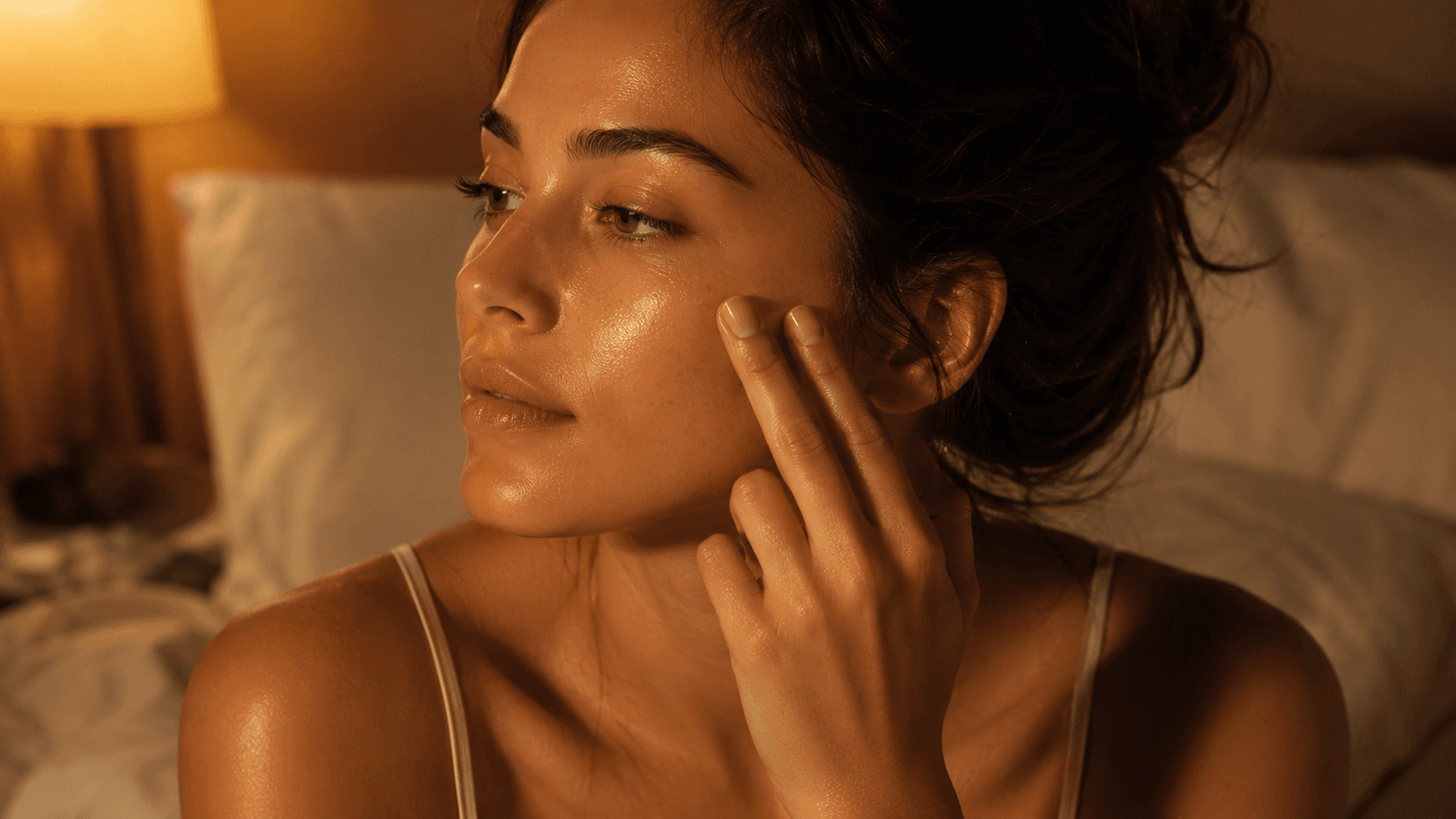
Ceramides in Products: What the Label Won't Tell You
Ceramide-labeled products are everywhere. The clinical reality of which ones work is considerably narrower. As the 2024 research in the International Journal of Cosmetic Science established, ceramides must be dissolved into the lipid phase of a formula during manufacturing — at high temperature — to integrate into the stratum corneum architecture on application. Add ceramide to an aqueous base without the correct thermal processing and the result is crystalline ceramide that sits on the skin surface without engaging the barrier lipid matrix. The formulation process — not the ingredient list — determines efficacy. And most brands do not publish their manufacturing specifications.
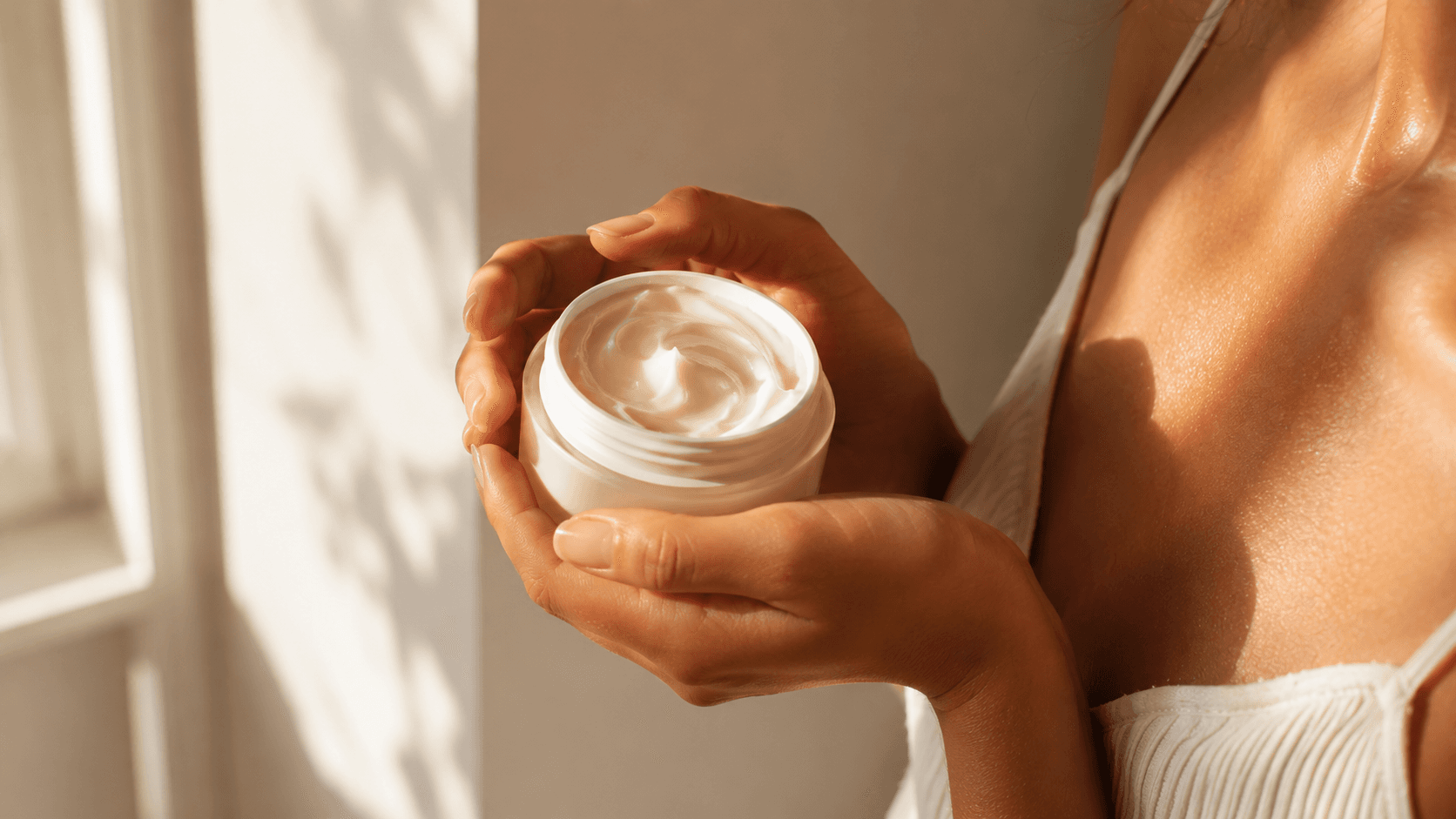
How to Read a Ceramide Label Without a Chemistry Degree
Look for: Ceramide NP, Ceramide AP, and Ceramide EOP — the three most studied types. They should appear alongside cholesterol and fatty acids (palmitic acid, stearic acid, or phytosphingosine). The triad works synergistically — applying ceramide alone is less effective than applying it with the full lipid mix in near-equimolar ratio. Consistently formulated options across the price range: CeraVe Moisturizing Cream (best-studied affordable choice), Skinfix Barrier+ Cream, La Roche-Posay Toleriane Hydrating Gentle Cleanser.
High impactpH Is the Variable Nobody Teaches
Healthy skin pH is 4.5–5.5. This acidic environment activates the serine proteases and lipases that process lamellar body lipids into mature, functional ceramides in the stratum corneum. A single wash with alkaline soap (pH 9–11) shifts skin surface pH for up to 6 hours — suppressing ceramide-synthesizing enzyme activity for that entire window. Most traditional bar soaps are pH 8–9. True pH-balanced cleansers (4.5–6.5) are the only category that cleanse without disrupting this enzyme activation window.
High impactBarrier-Breaking vs. Barrier-Building: The Practical Split
Quietly Breaking Your Barrier
- Alkaline bar soap or foaming cleanser, used twice daily
- AHA or BHA acid applied every single day without rest
- Toners containing alcohol, witch hazel, or strong astringents
- Physical scrubs (walnut shell, sugar, microbeads) weekly
- Fragrance-heavy moisturizers applied to sensitized skin
- Hot showers exceeding 10 minutes daily
- Skipping SPF — UV radiation degrades stratum corneum lipids directly
Actively Rebuilding Your Barrier
- pH-balanced gentle cleanser once per day, or less
- Exfoliating acids 2–3 times per week with rest days in between
- Hydrating toners: hyaluronic acid, glycerin, or panthenol-based
- Ceramide NP + AP + EOP with cholesterol and fatty acids
- Petrolatum or ceramide healing ointment as the final nighttime step
- Lukewarm water, 5-minute maximum shower duration
- SPF 30+ every morning, twelve months a year
A Two-Week Protocol to Rebuild What You've Been Breaking
Research on barrier recovery timing shows that mild disruption — from a single harsh wash or one aggressive exfoliation — repairs within roughly 72 hours if no further insult occurs. The problem with most routines is that insults are daily. The barrier cannot close between cycles. A structured two-week simplification interrupts this loop. The goal is not to dramatically improve skin in two weeks — it is to stop actively breaking it, so the biology can do what it is designed to do.
One pH-balanced gentle cleanser, once daily. One ceramide-trio moisturizer, morning and night. Nothing else. No acids, no retinoids, no vitamin C, no active serums. The barrier cannot rebuild under daily chemical disruption — this simplification is the intervention, not a pause before it.
Add petrolatum or ceramide healing ointment as the final step each evening, after the moisturizer has had a few minutes to absorb. This occlusive layer holds water in the stratum corneum while lipid synthesis catches up. Skin typically begins to feel calmer and less reactive by days 5–6.
Resist the urge to reintroduce actives. Healthy barrier skin shows clear signs: even tone, comfort after washing, products that stay on the surface rather than absorbing immediately, and reduced sensitivity to previously neutral products.
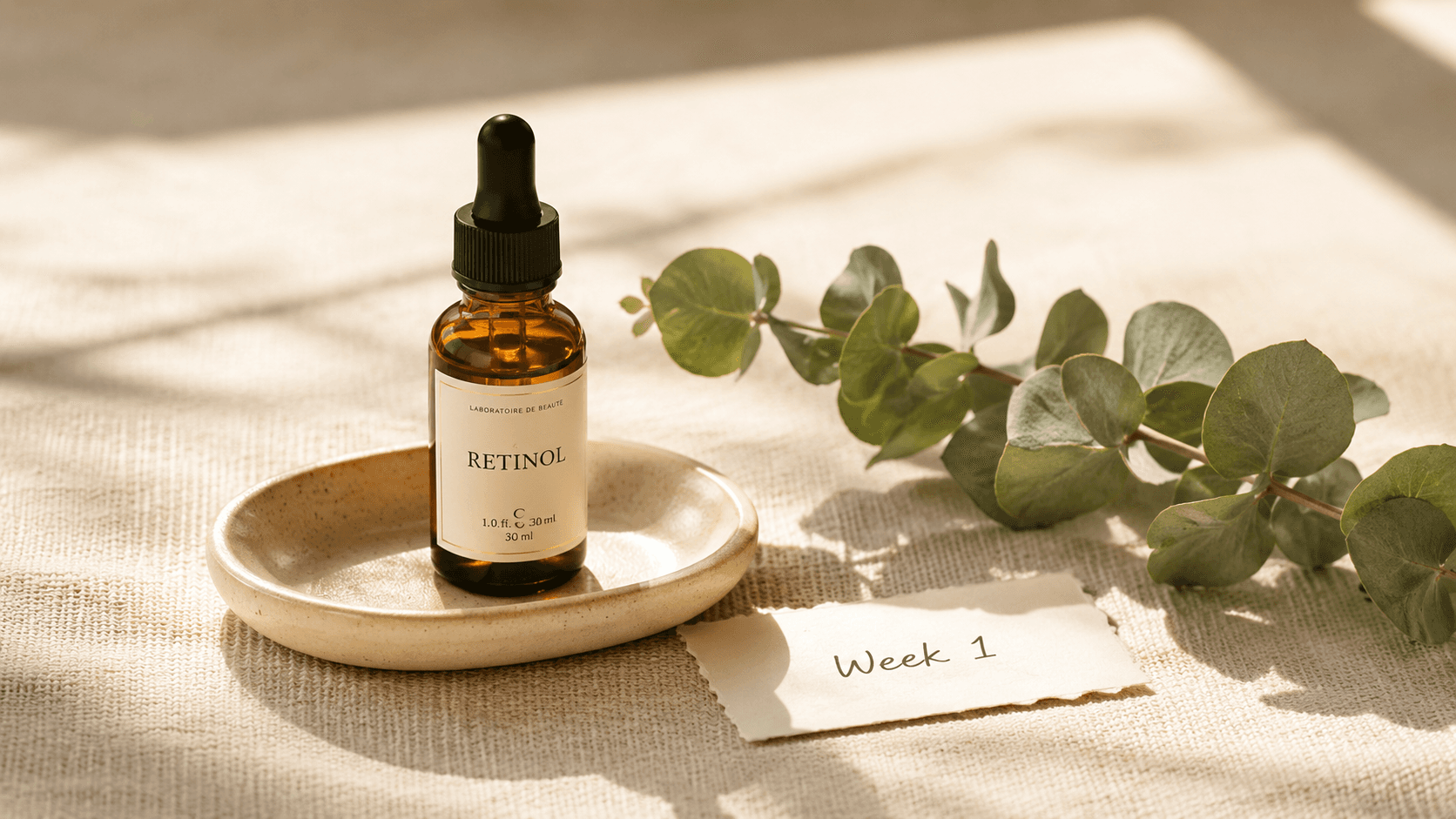
One active ingredient at a time, on alternate nights only. Start with the mildest: a low-percentage AHA or retinol. Never combine retinoid and acid on the same night. Monitor for stinging — a sign the barrier is still open — versus mild warmth, which is a normal initial response to active reintroduction.
Glass Skin Is Not Genetics. It Is Barrier Physics.
The glass skin aesthetic — the poreless, light-reflective luminosity that saturates Korean beauty content, Pinterest boards, and dermatology clinic before-afters — has a straightforward biological basis. Light reflects evenly off a smooth, water-saturated stratum corneum. Ceramide depletion creates microscopic surface irregularities that scatter light diffusely, making skin appear dull, textured, and flat regardless of what is applied on top. The $120 glow serum and the peer-reviewed ceramide formulation paper are describing the same phenomenon. One of them charges for the description.
Korean beauty's 'skip-care' movement — reducing routines to 3 products maximum — emerged partly as a cultural response to over-routine damage. Minimalism wasn't an aesthetic trend. It was skin barrier emergency medicine in elegant packaging.
A 2025 review in Experimental Dermatology confirmed what dermatologists had been observing clinically: topical ceramide supplementation measurably improves TEWL, stratum corneum hydration, and surface lipid content in both healthy and compromised skin — but only when formulation achieves ceramide bioavailability. The bottle that works and the bottle with the prettiest ceramide-themed label are often, definitively, not the same bottle.
- 1A gentle pH-balanced cleanser, once daily Not twice. Not foaming. 'Squeaky clean' is not a good sign — that sensation is the stratum corneum lipids leaving with the rinse water.
- 2A ceramide moisturizer with the full lipid triad Ceramide NP or AP, plus cholesterol, plus fatty acids. All three — in a product that was properly manufactured, not just labeled.
- 3An occlusive final step at night when the barrier is under stress Petrolatum is the evidence-backed choice. Expensive alternatives exist. None performs better for the specific task of TEWL reduction.
- 4SPF 30+ every morning without exception UV radiation directly degrades stratum corneum lipids. Every day without SPF is a day of undoing the work of every other step.
- 5Restraint with actives — not avoidance Retinoids and exfoliating acids are effective. They belong on a healthy barrier, introduced gradually. Applied to a damaged one, they are the reason skin 'can't tolerate' the product it actually needs.
The Weekly Skin & Science Brief
One dermatology finding. One practical change. One myth corrected. No affiliate pressure, no marketing — just research, made readable.
Subscribe freeGetClariSync Skin Desk
Editorial Research · Dermatological Science
The GetClariSync Skin Desk reviews research in dermatological science, cosmetic chemistry, and skin biology. We follow journals including the Journal of the American Academy of Dermatology, the British Journal of Dermatology, JAMA Dermatology, and the International Journal of Cosmetic Science. We assess ingredients against clinical evidence rather than marketing claims and we are explicit about the concentration, vehicle, and study quality required for an effect. We are editorial researchers, not board-certified dermatologists — please consult a qualified dermatologist for persistent skin conditions, before starting prescription-strength treatments (e.g. tretinoin), or if you have sensitive or compromised skin.