You're three hours into the afternoon. The morning's energy is gone. Your eyes drift toward a second coffee. Your brain feels like it's running on slower hardware than it was at 10 AM, and tomorrow at 3 PM, it'll happen again.
Most articles will tell you it's because of your lunch. Or your sleep last night. Or your phone. They're not wrong. They're just incomplete.
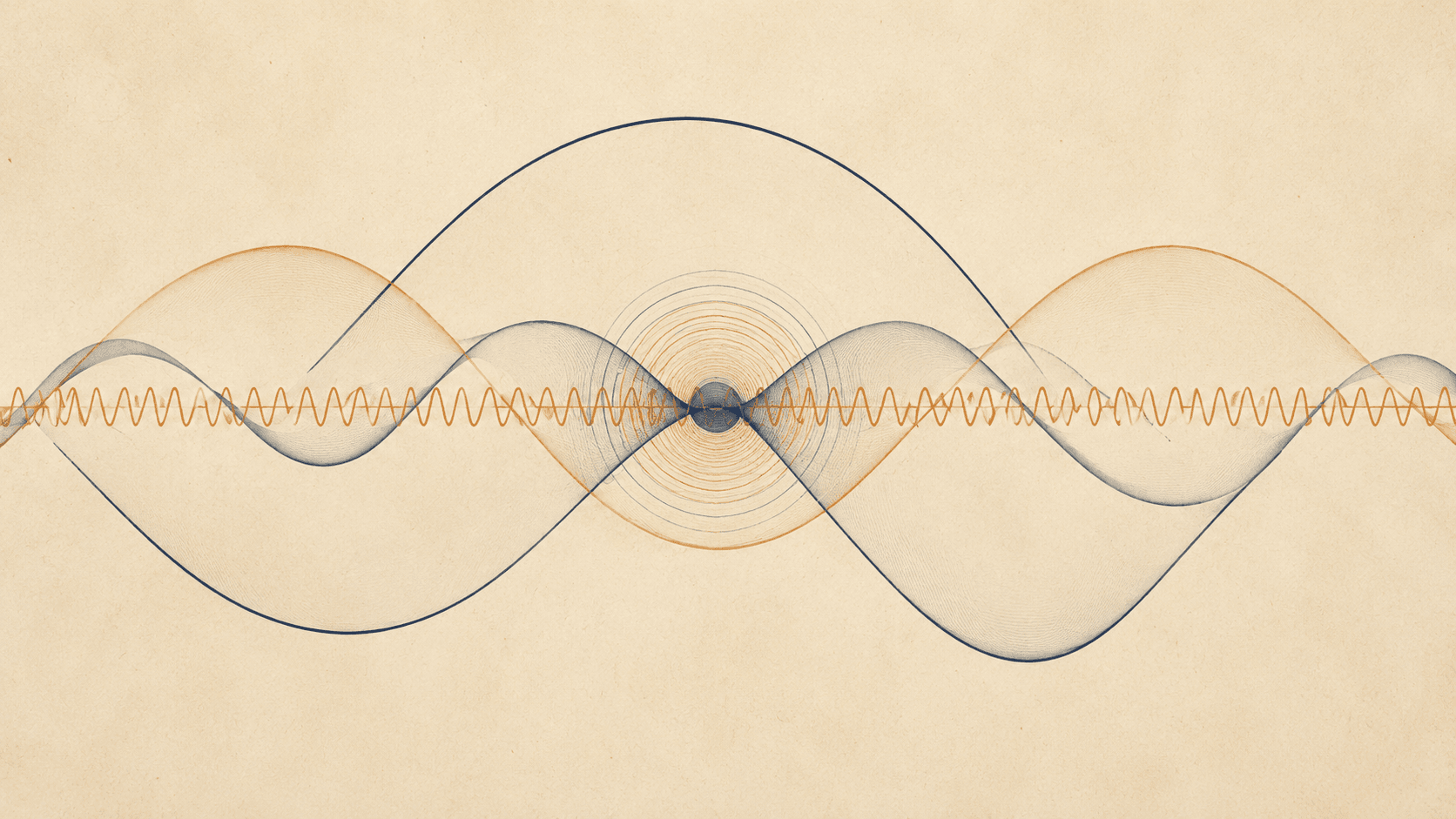
The 3 PM crash isn't one thing. It's three forces converging on the same hour, and 60 years of chronobiology research shows that the popular advice usually fixes one of them while ignoring the other two. That's why "just have a smaller lunch" or "do a 90-minute work block" gets people half the result they expected.
This piece unpacks all three, what each one actually responds to, and what the research suggests, with the honest caveat that personal variation matters more here than in almost any other wellness topic.
What's Actually Happening at 3 PM (It's Not Lunch)
The single most common explanation for the afternoon slump goes: you ate, your blood sugar crashed, you got sleepy.
Sounds reasonable. It's also mostly wrong.
In a series of studies running through the 1980s and 1990s, researchers put participants on different lunch schedules (early, late, big, small, and skipped entirely) and measured their afternoon alertness. The result that surprised even the researchers: the 3 PM dip in alertness happened across all groups, including the ones who skipped lunch entirely.
That finding has been replicated many times since. The "post-lunch dip," as it's known in the literature, is largely circadian, driven by your internal clock, not your stomach. Lunch can make it worse (especially a heavy, carb-loaded meal), but eliminating lunch doesn't eliminate the dip.
So if lunch isn't the main driver, what is?
Force 1: Your Circadian Rhythm Has a Mid-Afternoon Trough
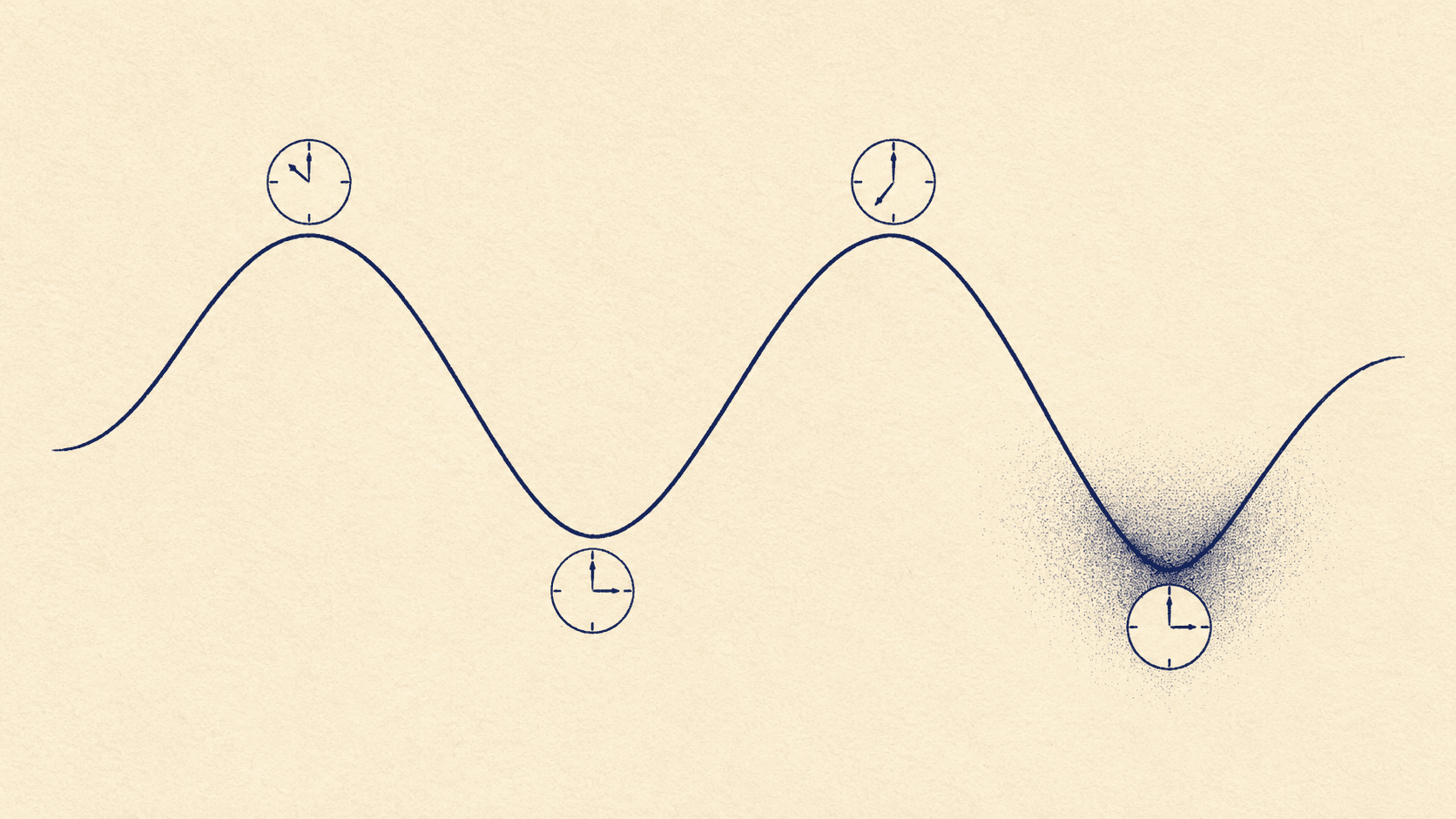
Your body runs on a roughly 24-hour cycle (alertness, body temperature, hormones) orchestrated by a tiny region of your brain called the suprachiasmatic nucleus (SCN, for short). This master clock doesn't produce a flat line of alertness through the day. It produces a curve.
The curve has two peaks (morning and early evening) and two troughs (the night, obviously, and a smaller dip in the early afternoon). Yes, your biology is built to feel worse around 1 to 4 PM. It's not laziness. It's the same machinery that makes you sleepy at midnight, just smaller in amplitude.
How big is this dip? Monk's 2005 review of chronobiology data set out to quantify the afternoon performance decline across multiple measures of cognitive function, tracking reaction time and cognitive accuracy between the post-lunch window and mid-morning.
The decrement lands around 5 to 15% slower compared to mid-morning. Not dramatic, but enough to drop accuracy on demanding tasks, lengthen decision time, and make creative work feel like wading through mud.
The kicker: the dip is stronger in shift workers, the sleep-deprived, and people with later chronotypes (the "night owls" of the world). If you're already short on sleep, your afternoon trough is deeper.
Force 2: Sleep Pressure Is Building (and It Started at 6 AM)
The second force is called homeostatic sleep pressure, and most productivity content doesn't mention it at all.
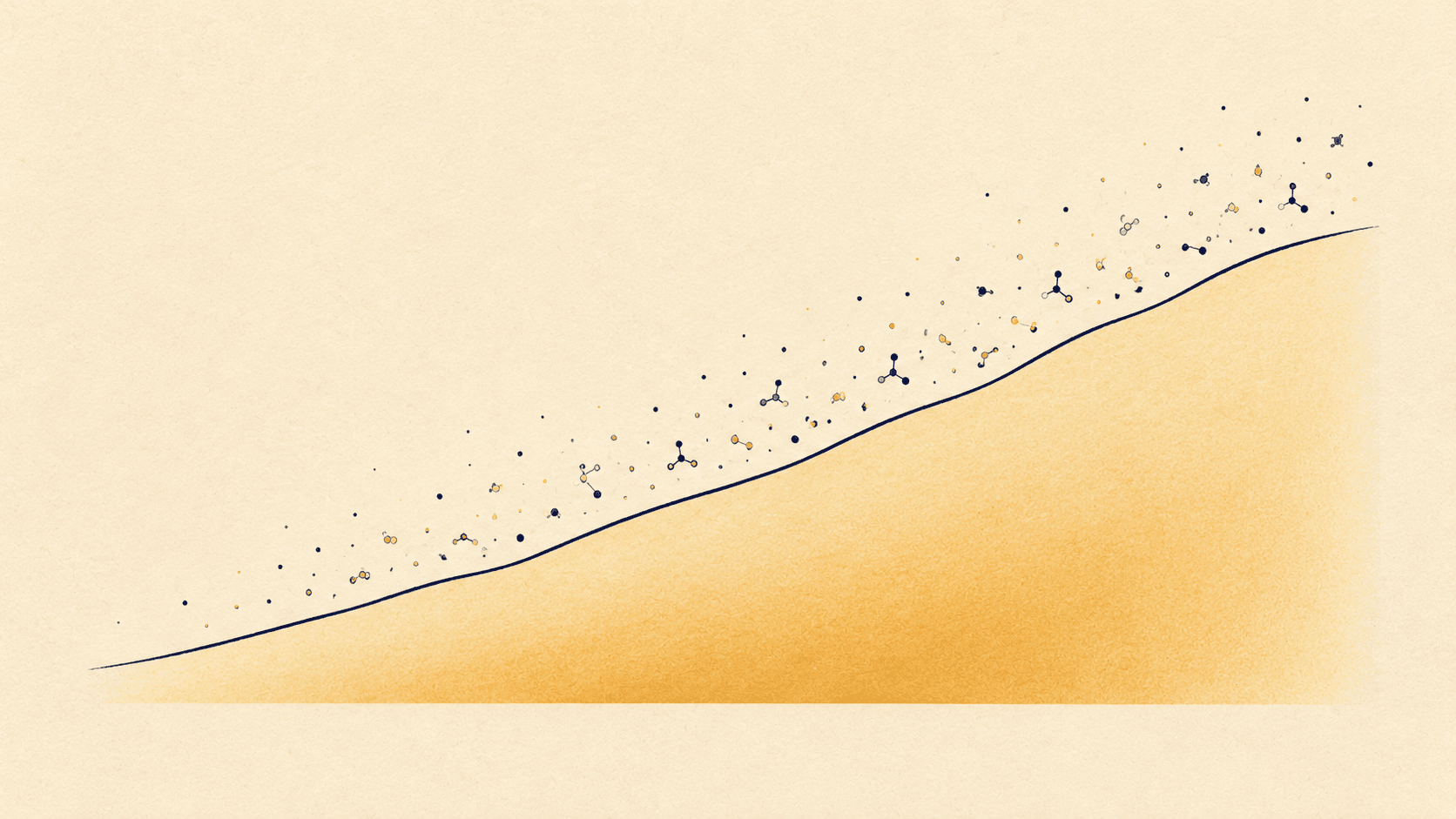
Here's how it works: from the moment you wake up, a chemical called adenosine starts accumulating in your brain. Adenosine is a byproduct of your neurons doing work. The more you've been awake, the more adenosine you've built up, and the more tired you feel.
Sleep clears the adenosine. Caffeine masks it by blocking the receptors it would otherwise bind to. But during a normal day, by 3 PM you've been accumulating sleep pressure for nine straight hours.
So the 3 PM crash isn't just the circadian dip. It's the circadian dip happening on top of substantial accumulated tiredness. The two forces multiply.
This is also why morning naps are easier to fall into than evening ones, even though you're less tired in the morning. At 3 PM, your circadian curve is dipping and your sleep pressure is high. The two add up.
Force 3: Ultradian Rhythms — The 90-Minute Cycles You've Heard About (But Probably Misunderstand)
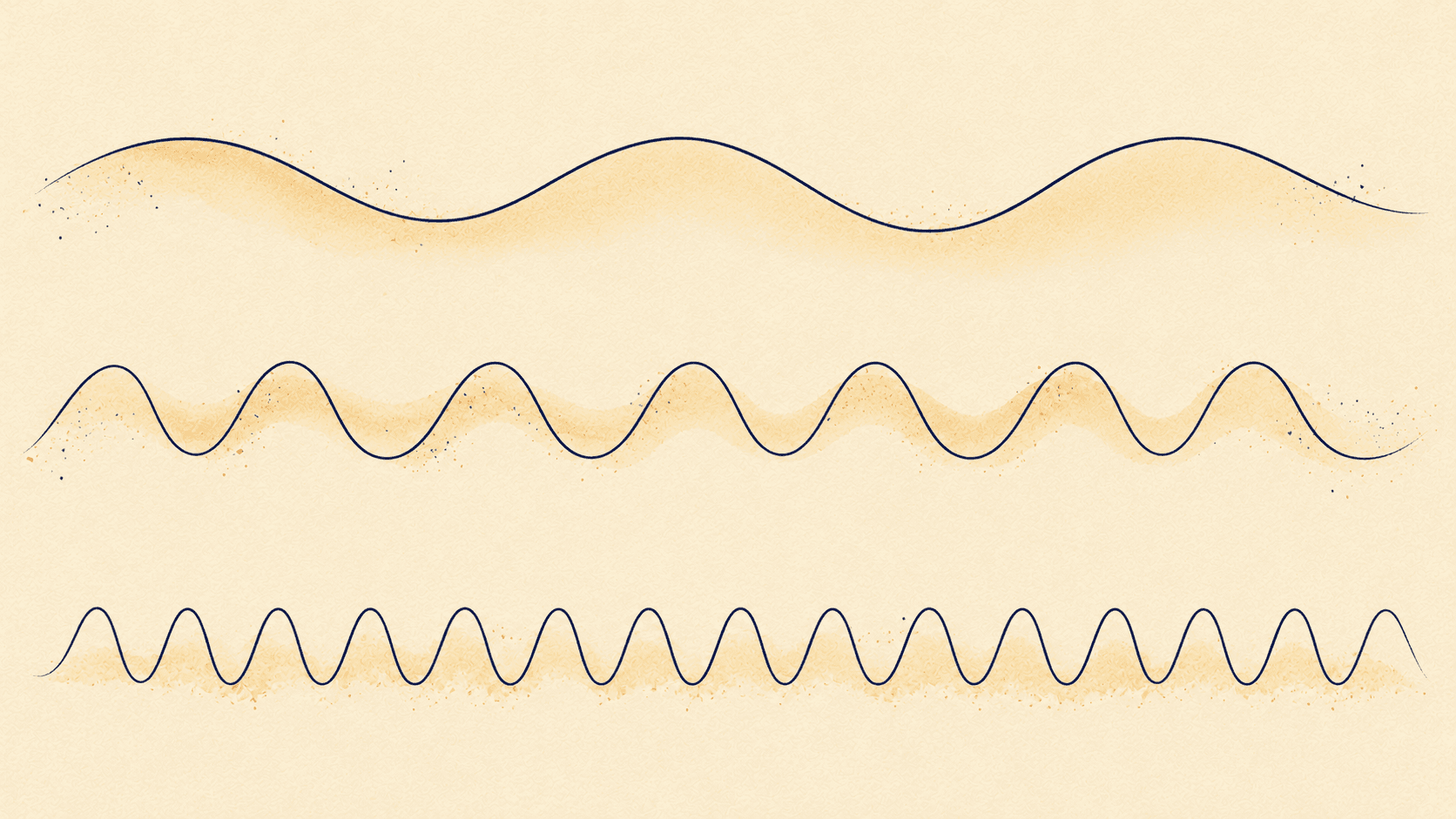
Now to the topic that productivity influencers love: ultradian rhythms. These are shorter cycles, about 90 to 120 minutes, that run all day, alternating between higher and lower mental focus.
The original work comes from Nathaniel Kleitman, the father of modern sleep science, in the 1950s and 60s. He noticed that the same kind of cycle that produces REM and non-REM sleep stages also runs during the day, just less obviously. He called it the Basic Rest-Activity Cycle (BRAC).
Here's where most articles get it wrong.
The popular framing ('work for 90 minutes, then take a break') treats the 90-minute cycle as a rule everyone follows. The actual research is much messier. Cycle length varies wildly between individuals (anywhere from 70 to 130 minutes) and even within the same person across days. Some recent studies have struggled to even detect a clear ultradian rhythm in daytime cognitive performance at all.
So is the 90-minute rule wrong?
Mostly. The science says: yes, your alertness wavers in cycles. Yes, taking breaks helps. But the specific timing isn't a magic number you should set a timer for. Most chronobiologists describe it less as "use the 90-minute rule" and more as notice when your attention is fading and rest before it craters.
We're being deliberately careful here because the "90-minute rule" is one of the most over-claimed ideas in the productivity space. The science behind ultradian rhythms is real; the prescription "work 90 minutes, break 20 minutes, repeat" is folk wisdom that doesn't replicate cleanly in modern research.
When the Three Forces Converge
Here's the picture at 3 PM:
- Your circadian rhythm is in its afternoon trough — you're biologically less alert
- Your sleep pressure has been building for nine hours — you're more tired than at noon
- You're likely deep in or just past an ultradian low — your shorter cycle is at its rest phase
Three biological forces stacked on top of each other. No wonder you can't focus.
The popular advice ('eat a smaller lunch' or 'do 90-minute work blocks') addresses at most one of these. Which is why those tips help a little but rarely make the 3 PM crash disappear.
What Actually Helps (With Honest Caveats)

Here's what the research suggests, with the same caveats that apply to almost every chronobiology finding: individual variation is huge, and what works for the average person in a study may not work for you.
The 10-20 Minute Strategic Nap
If you have the option, a brief nap between 1 and 3 PM is one of the most well-studied countermeasures. NASA's famous 1995 study on cockpit naps showed a 26-minute nap improved alertness by 54% and performance by 34% in pilots. Keep it under 30 minutes to avoid sleep inertia (that groggy feeling), and don't nap after 4 PM: that pulls sleep pressure from your night's sleep.
HighBright Daylight or a Short Outdoor Walk
If napping isn't an option, this is the next best lever. Bright outdoor light suppresses melatonin and gives the circadian system a small reset. Even five minutes outside is measurably more effective than an indoor break under fluorescent light.
Medium-HighCaffeine Timing Matters More Than Caffeine Amount
Caffeine's half-life is around 5-6 hours. A 3 PM coffee means you still have ~50% of it in your system at 9 PM, which can disrupt sleep. More disturbed sleep means a deeper dip tomorrow afternoon. The compromise most sleep researchers suggest: last caffeine no later than 8 hours before bed, and treat the 3 PM coffee as an exception, not a daily habit.
MediumSchedule Hard Cognitive Work Outside the Trough
If you have control over your schedule, front-load demanding thinking (writing, decisions, novel problem-solving) into your morning peak, typically 9 to 11 AM. Save post-lunch hours for tasks that don't require peak cognition: meetings, email triage, routine review, social calls. Generic productivity advice, yes, but it's advice that aligns with what the alertness curve actually does, which is rarer than you'd think.
HighAccept That Some Days the Crash Just Happens
Sounds defeatist, but the research backs it. If you slept poorly, skipped breakfast, or are under acute stress, your 3 PM dip will be worse and no productivity hack fully compensates. The most evidence-based long-term move is better sleep at night. That's what most of our Sleep Desk content covers in depth.
FoundationalWhat 60 Years of Research Looks Like in Practice

The first serious chronobiology lab opened in the 1960s. Nathaniel Kleitman and his student Eugene Aserinsky had already shown that sleep isn't a single state — it has cycles. By the 1970s, researchers like Mary Carskadon were demonstrating that those cycles affect daytime alertness, not just nighttime sleep.
Through the 1980s and 90s, the field got more precise. Russell Foster's work at Oxford established that even people with eye damage preventing normal vision still entrain to light cycles, thanks to specialized cells in the retina (the intrinsically photosensitive retinal ganglion cells). Charles Czeisler's lab at Harvard mapped how shift work disrupts circadian rhythms, including links to poor decision-making and higher accident rates in the early afternoon.
What's interesting: across 60 years of accumulating evidence, the 3 PM dip has been one of the most reliable findings. It shows up in every culture studied, every climate, regardless of meal composition or schedule. It's not a quirk of modern life. It's a quirk of being a primate with a circadian system designed for life closer to the equator.
That doesn't mean it's destiny. It means the right tools work with the biology, not against it.
The Bottom Line
What helps (by evidence strength)
- Better sleep at night (foundational)
- A 10-20 minute nap, before 3 PM
- Bright daylight or a short outdoor walk
- Scheduling demanding work outside the trough
- Caffeine, timed to clear before bed
- Accepting some afternoons just won't be peak
What probably won't help
- Setting a 90-minute timer as a strict rule
- Any "miracle protocol" promising optimized afternoons
- Skipping lunch (you'll still feel it)
- Pushing through with willpower
- Yet another stimulant pre-workout drink
- A printable rhythm tracker that ignores your chronotype
The most powerful long-term lever is the one fewest people use: stop fighting the 3 PM trough, plan around it, and protect your night's sleep so tomorrow's trough is shallower.
That's not as exciting as a 7-day challenge with a printable tracker. But it's what the research actually says.
Everything above describes population-level findings. Your personal chronotype, sleep needs, work schedule, and health context matter enormously. If you have persistent excessive daytime sleepiness, an inability to stay awake at common tasks, or sudden onset of new crashing, please see a primary care physician or sleep specialist. Disorders like sleep apnea, narcolepsy, and hypothyroidism can present as "I just always crash in the afternoon" and they need clinical evaluation, not productivity advice.
GetClariSync Habits Desk
Editorial Research · Behavioral Science
The GetClariSync Habits Desk studies behavioral science, habit formation, and applied performance psychology. We distill peer-reviewed research from journals like the European Journal of Social Psychology, Psychological Bulletin, the Journal of Personality and Social Psychology, and Behaviour Research and Therapy. We separate findings replicated in pre-registered studies from popular but underpowered effects, and we cite the original papers — not secondary write-ups. Our coverage is informational, not coaching or therapy; for behavioral health concerns please consult a licensed therapist or evidence-based behavioral health professional.